Melrose Avenue
The Albatross • Jacksonville, FL • April 16, 2026
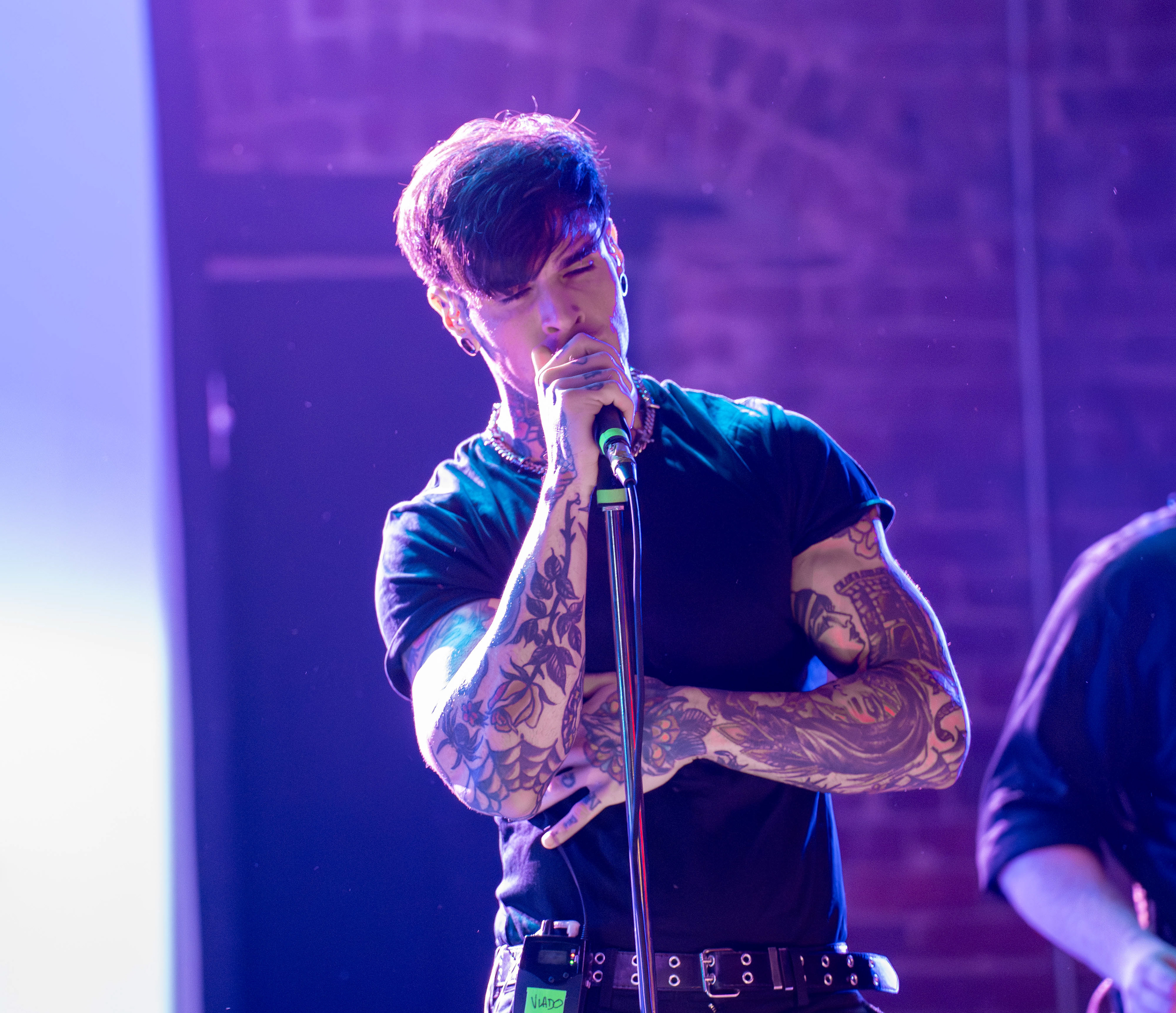
Melrose Avenue delivered an energetic performance at The Albatross, blending powerful vocals, crowd interaction, and stage presence to keep the audience engaged throughout the night. The intimate venue fostered a close connection between the band and fans, making every moment feel personal and impactful.
The lighting shifted between vibrant purples, blues, and warm tones, creating dramatic visual effects that complemented the band's performance. From emotional vocal moments to high-energy movements across the stage, there was never a shortage of compelling scenes to capture.
One of the standout aspects of the show was the band's ability to balance intensity with authenticity. Whether interacting with the crowd or fully immersing themselves in the music, each member brought energy that translated well both in person and through the photographs
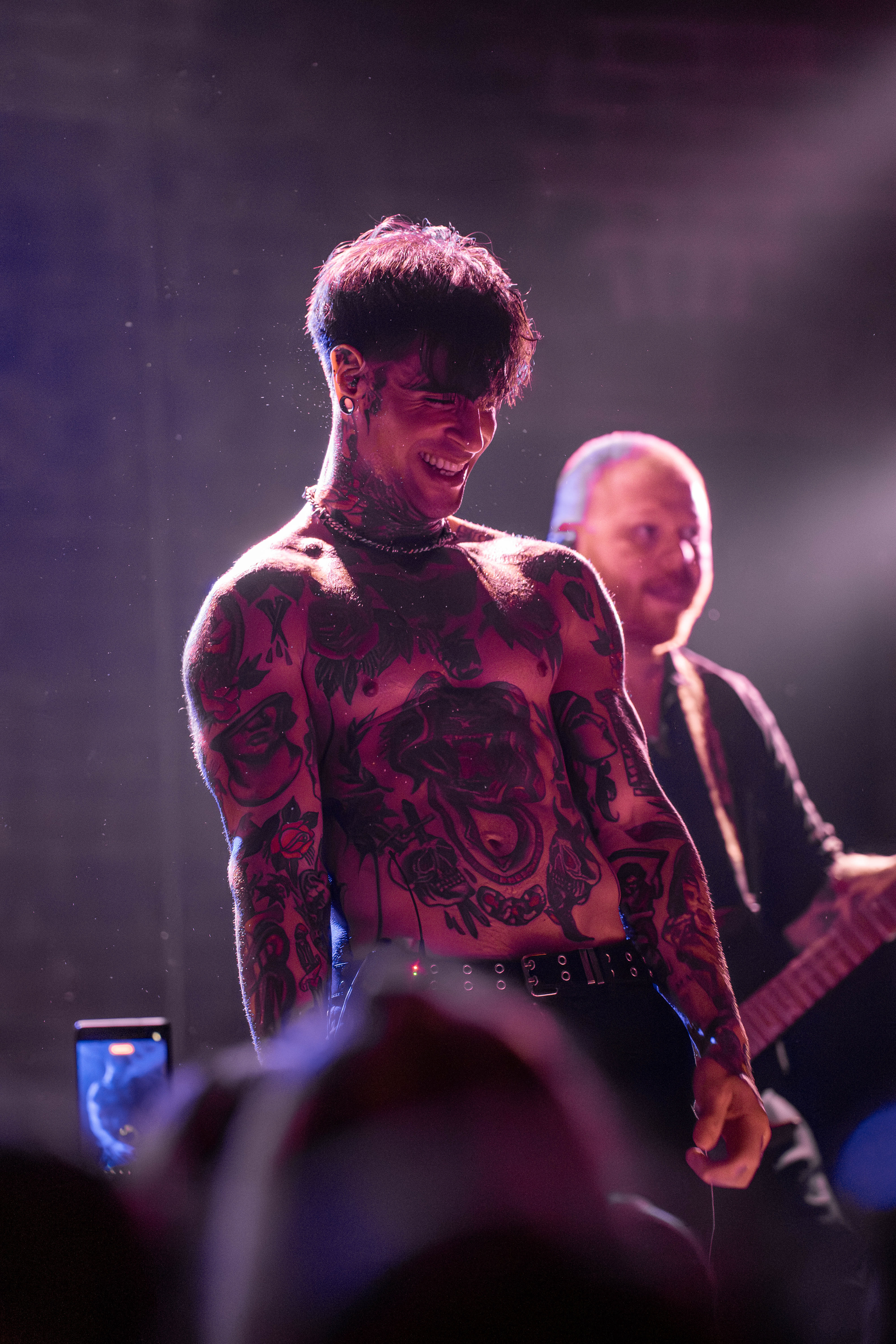
Favorite Photo Moment
One of my favorite moments from the night came when the energy on stage shifted from intensity to pure enjoyment. While many of the night's images captured the power and emotion of the performance, this moment stood out because of its authenticity. The artist's expression, combined with the atmosphere and lighting, created one of my favorite photographs from the set and captured a genuine, memorable side of the show.
The Summer School Tour
HOUSE OF BLUES• LAKE BUENA VISTA, FL • JUNE 26, 2026
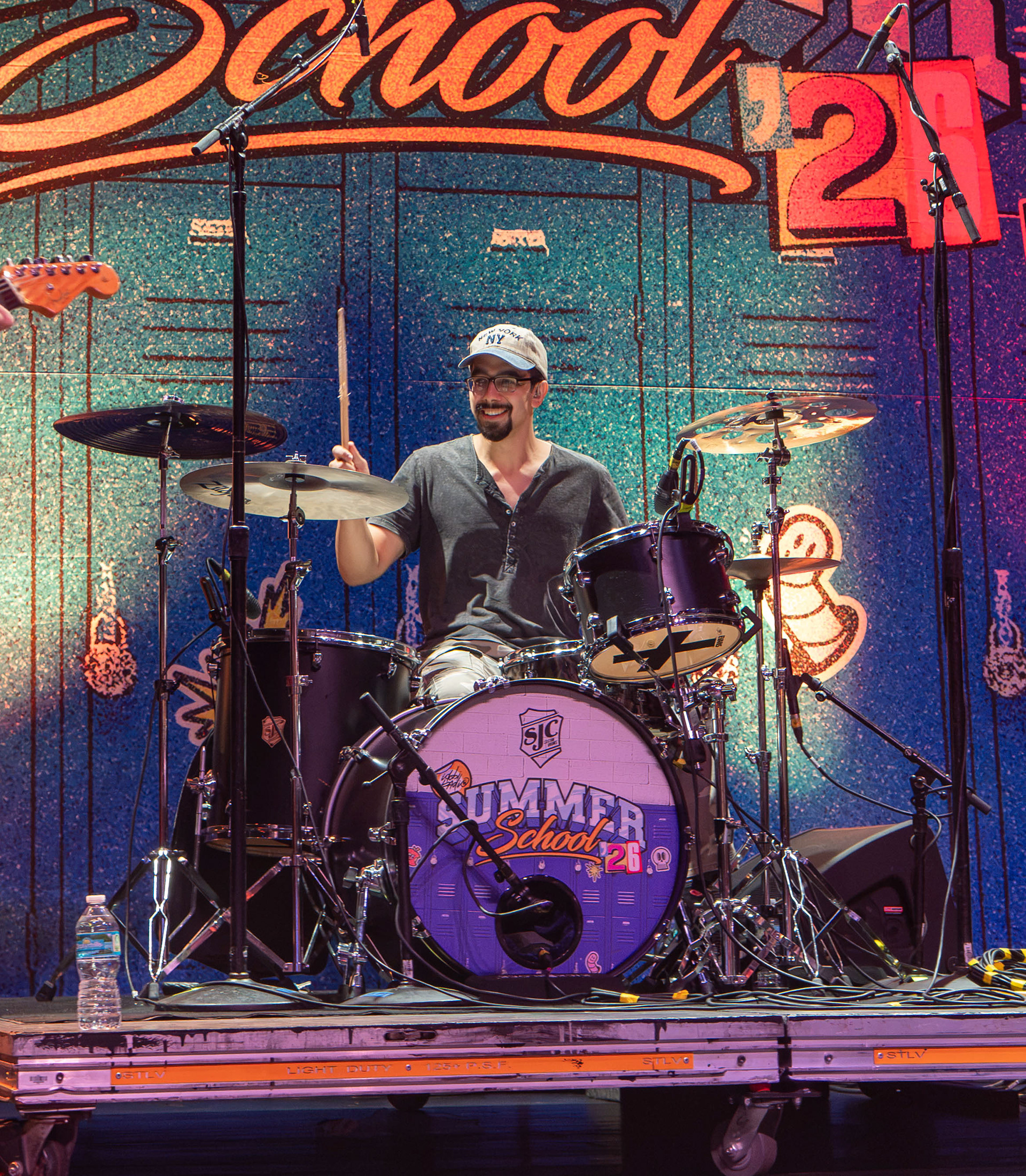
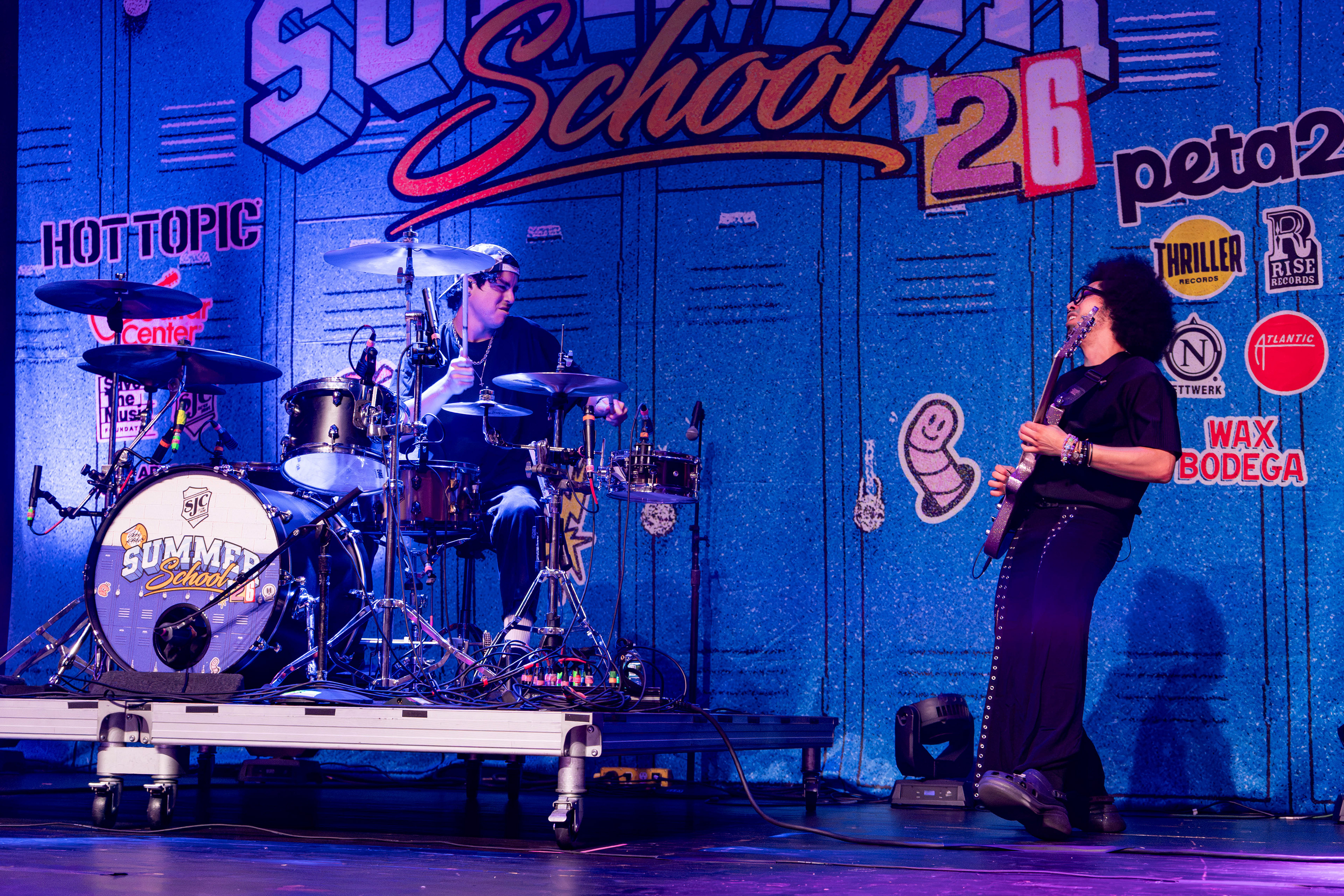
School was officially in session at House of Blues Orlando.
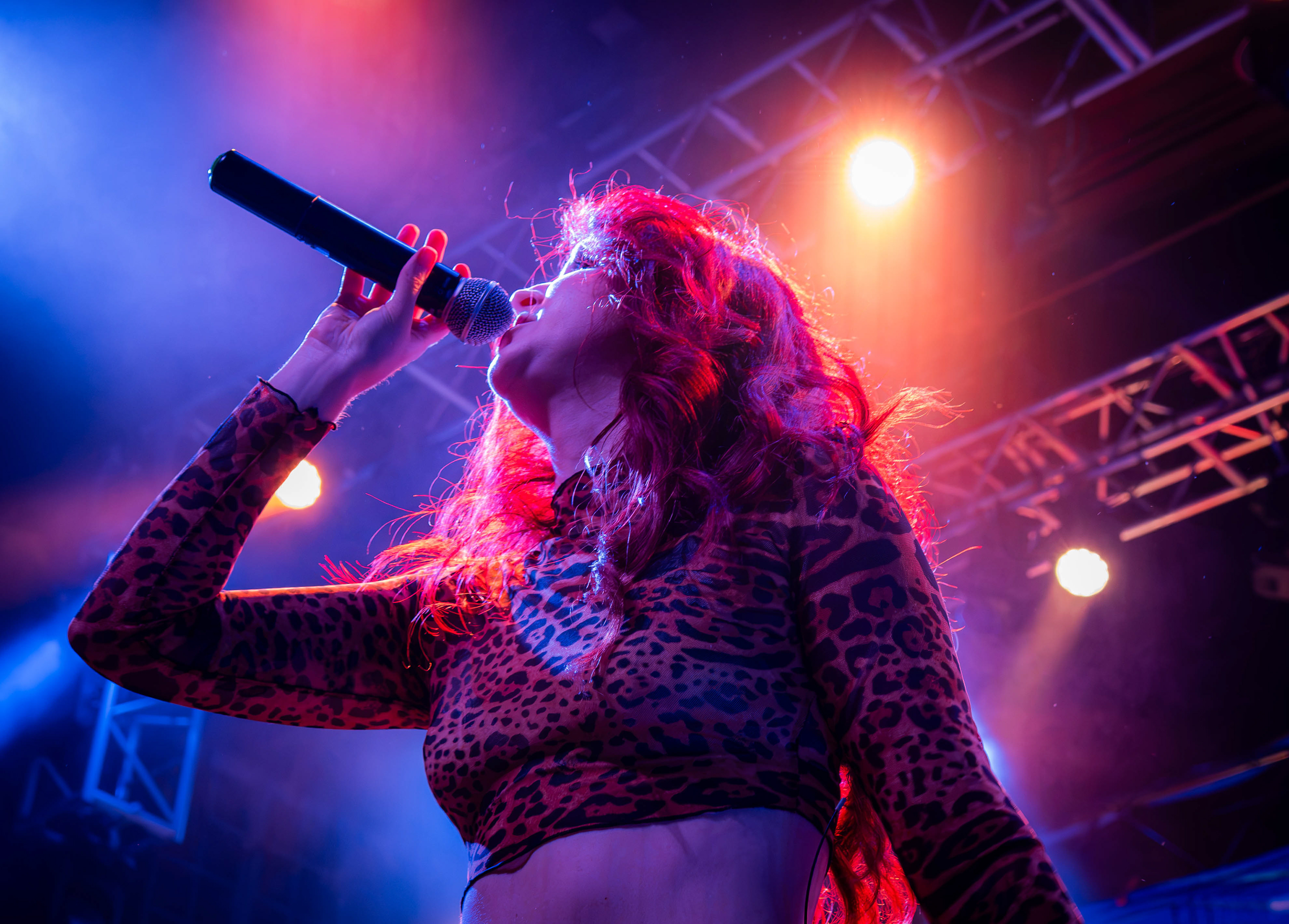
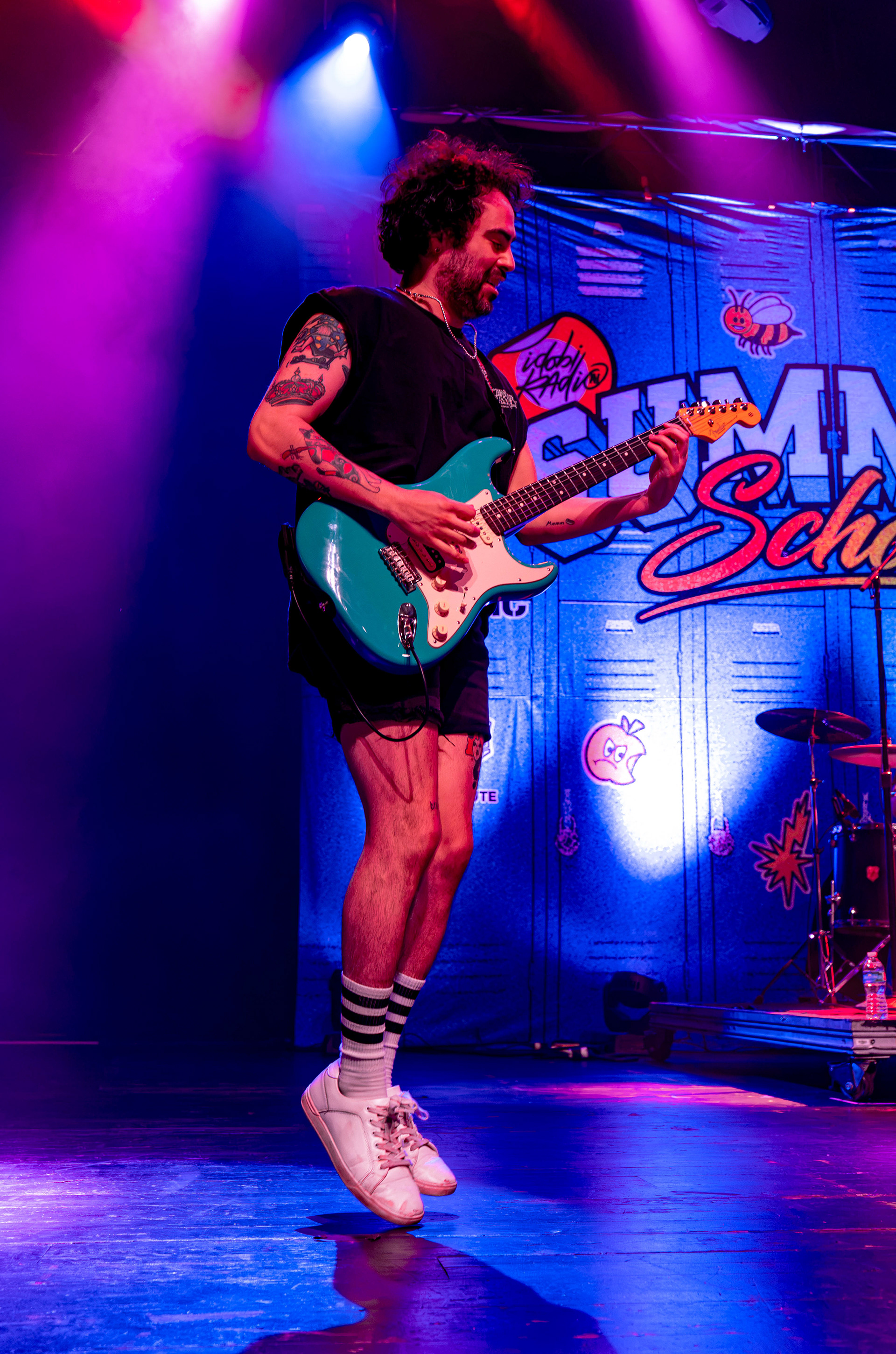
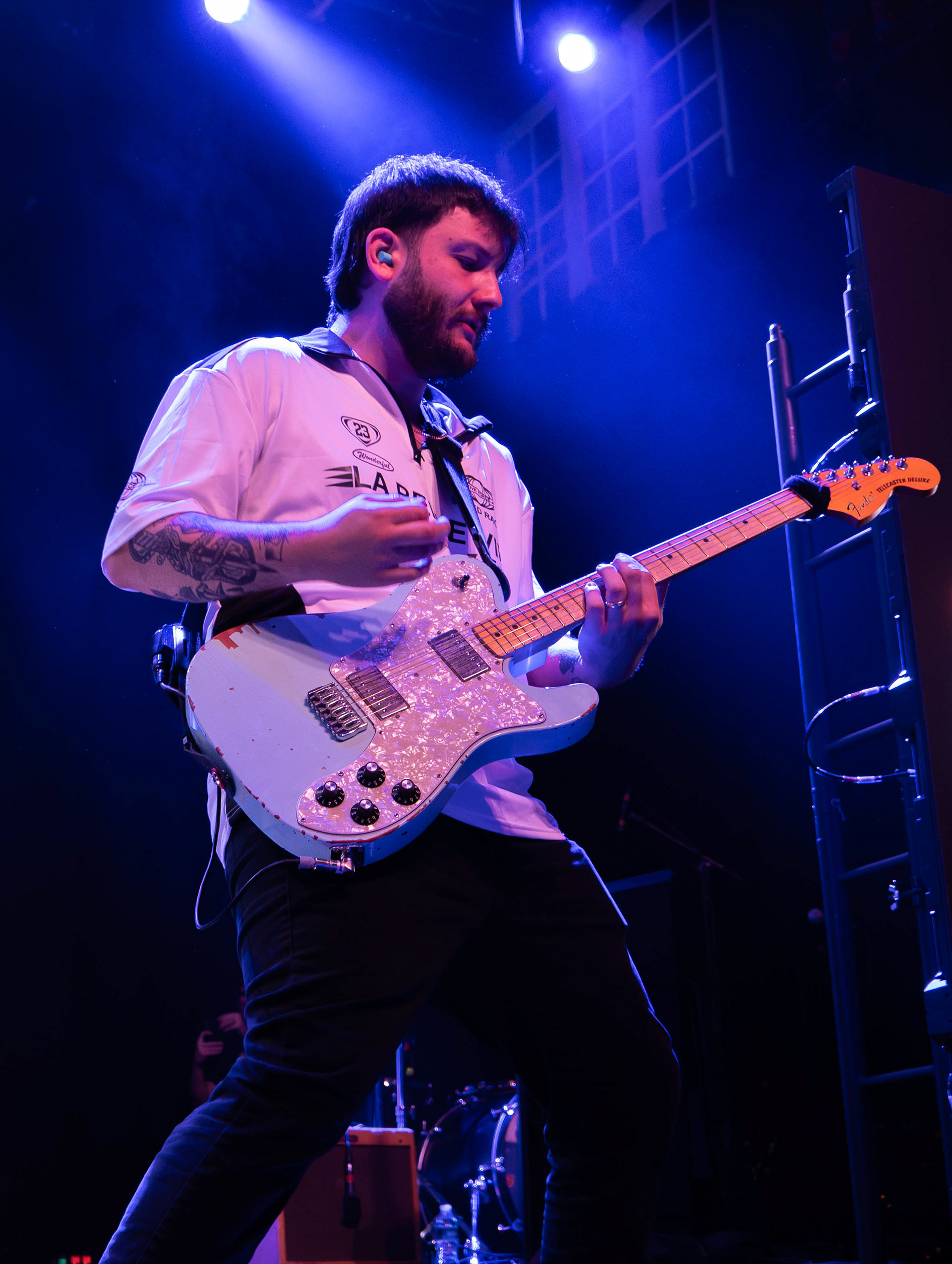
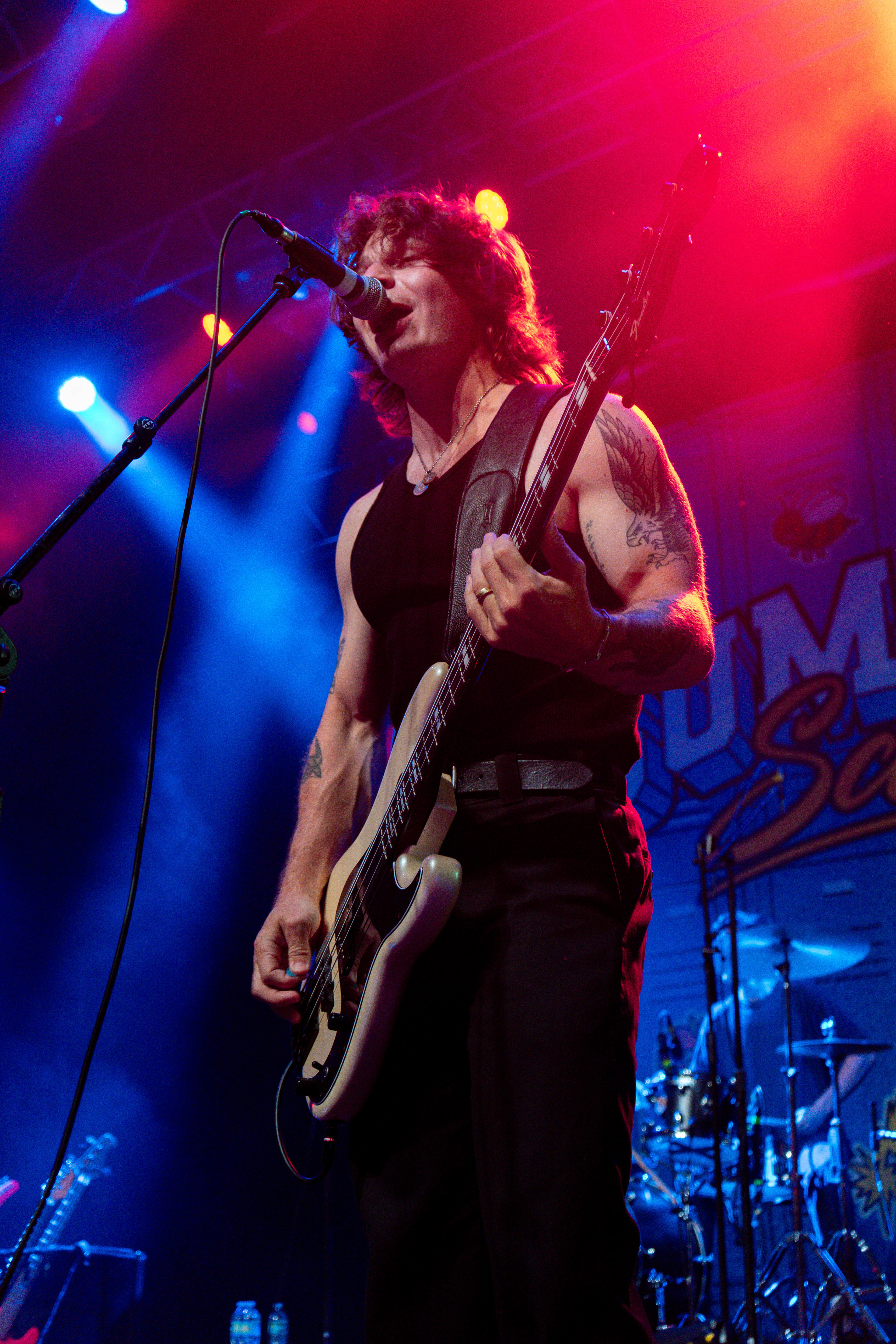
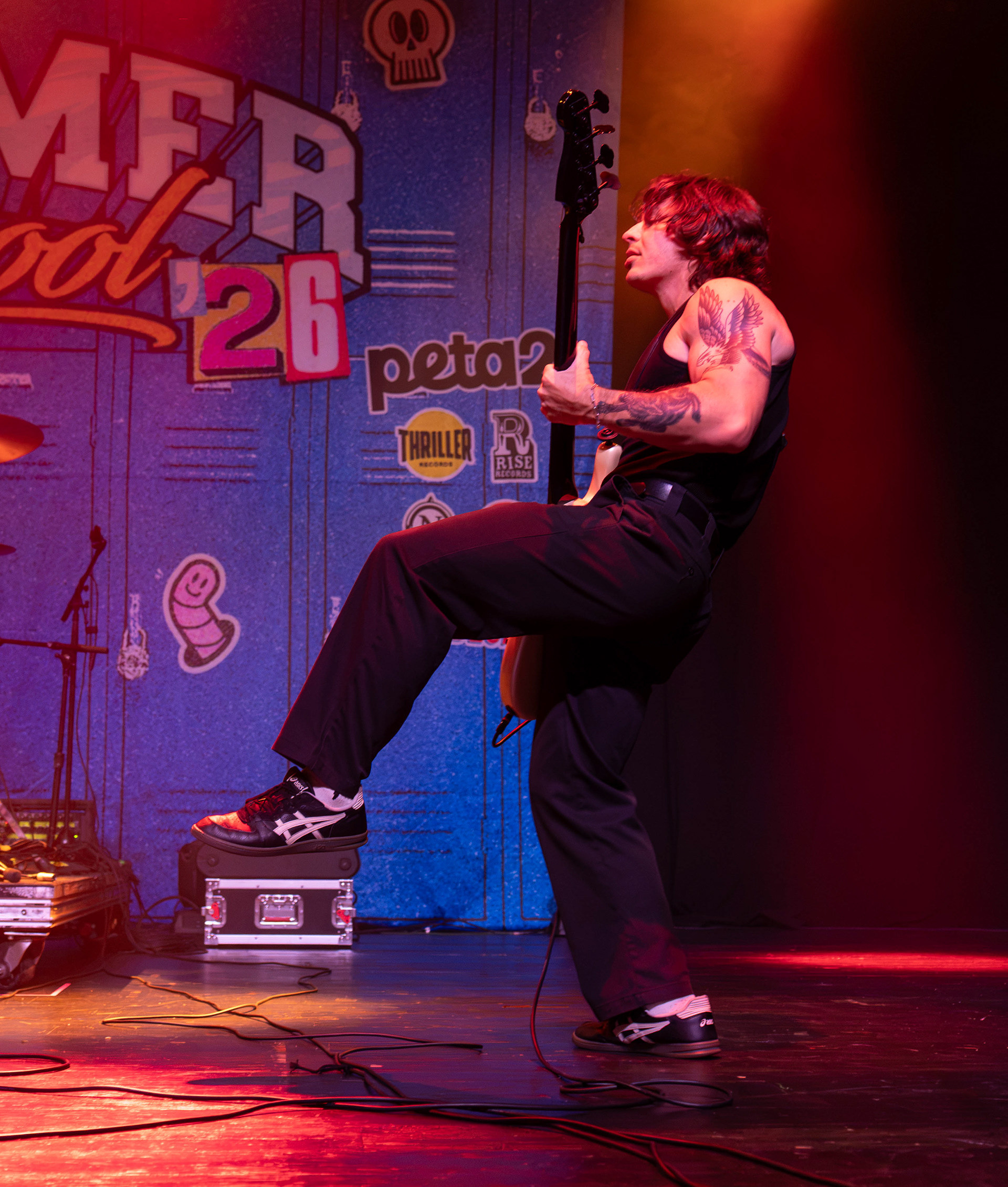
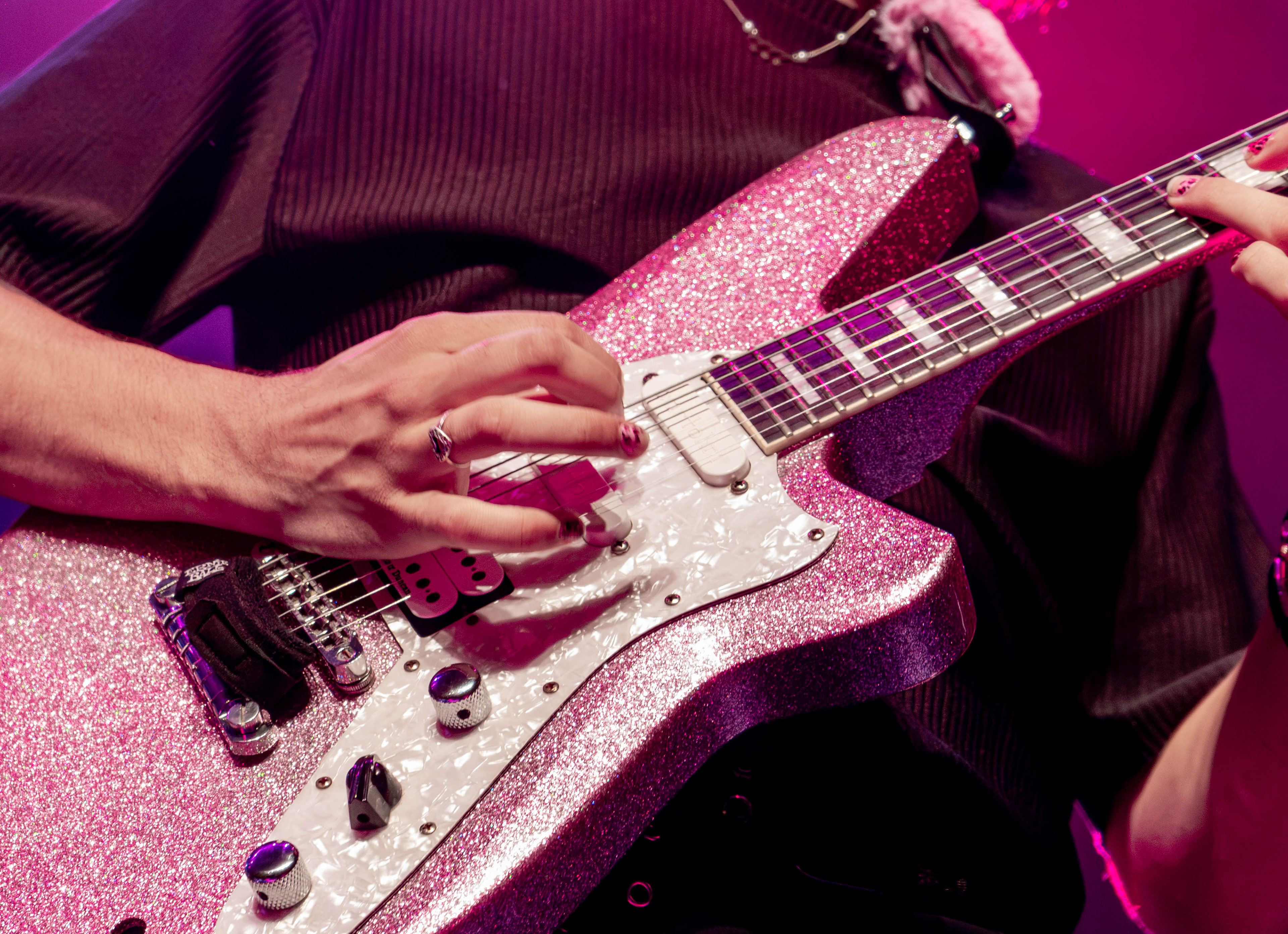
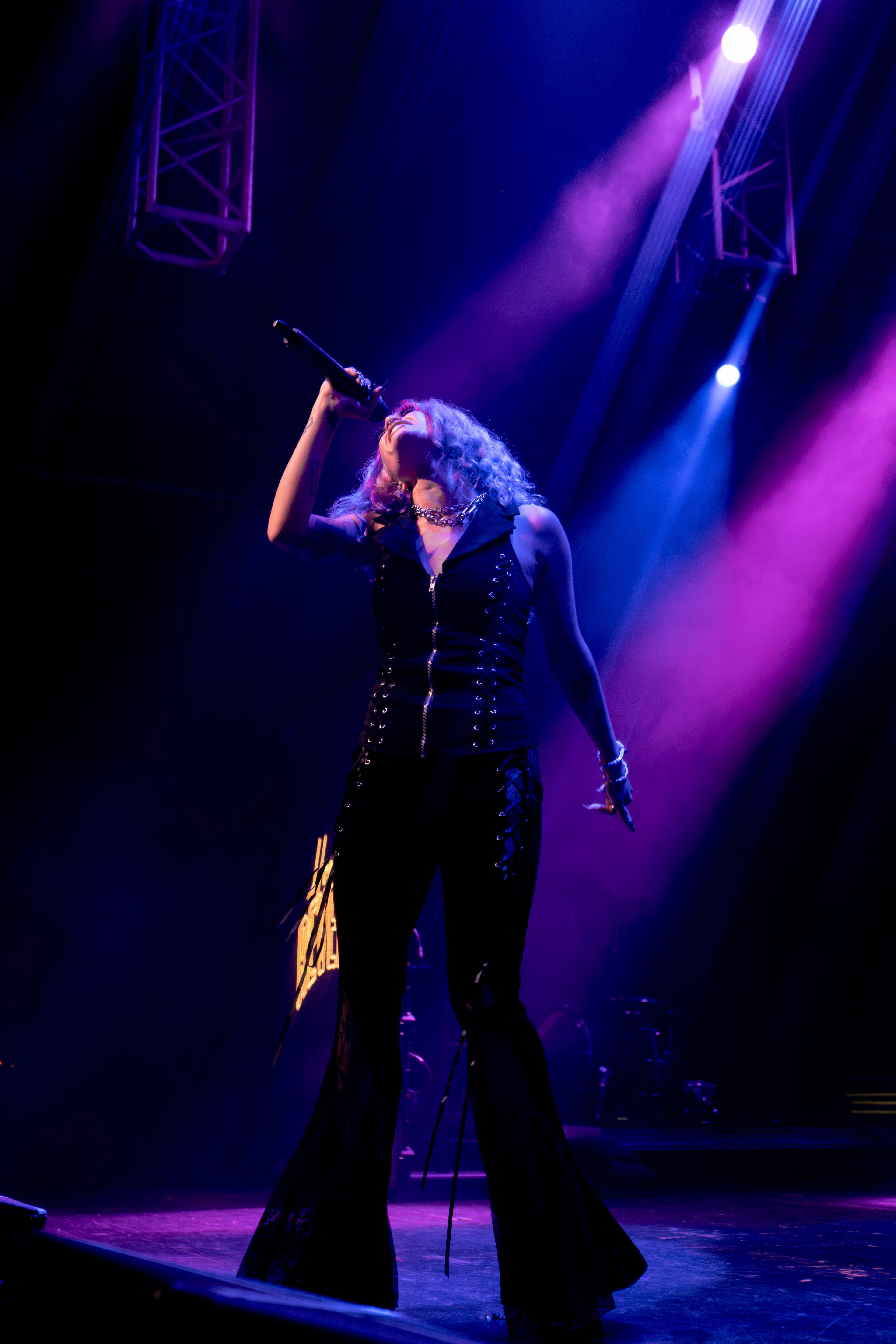
The Summer School Tour ’26 brought together six of the most exciting names in the pop-punk scene for a night built around community, loud guitars, and nonstop energy. Featuring Pretty Pity, Chase Petra, South Arcade, Games We Play, Winona Fighter, and Honey Revenge, the lineup proved that pop-punk is alive and well. From the moment the doors opened until the final encore, the crowd barely stopped moving—you could even hear the music from outside the venue.
Pretty Pity
Pretty Pity kicked off the night with a set full of energy and attitude. Songs like “Fast Love,” “Vertigo,” and “Whiskey” immediately got the crowd moving and set the tone for everything that followed. They wasted no time turning the House of Blues into one giant sing-along.
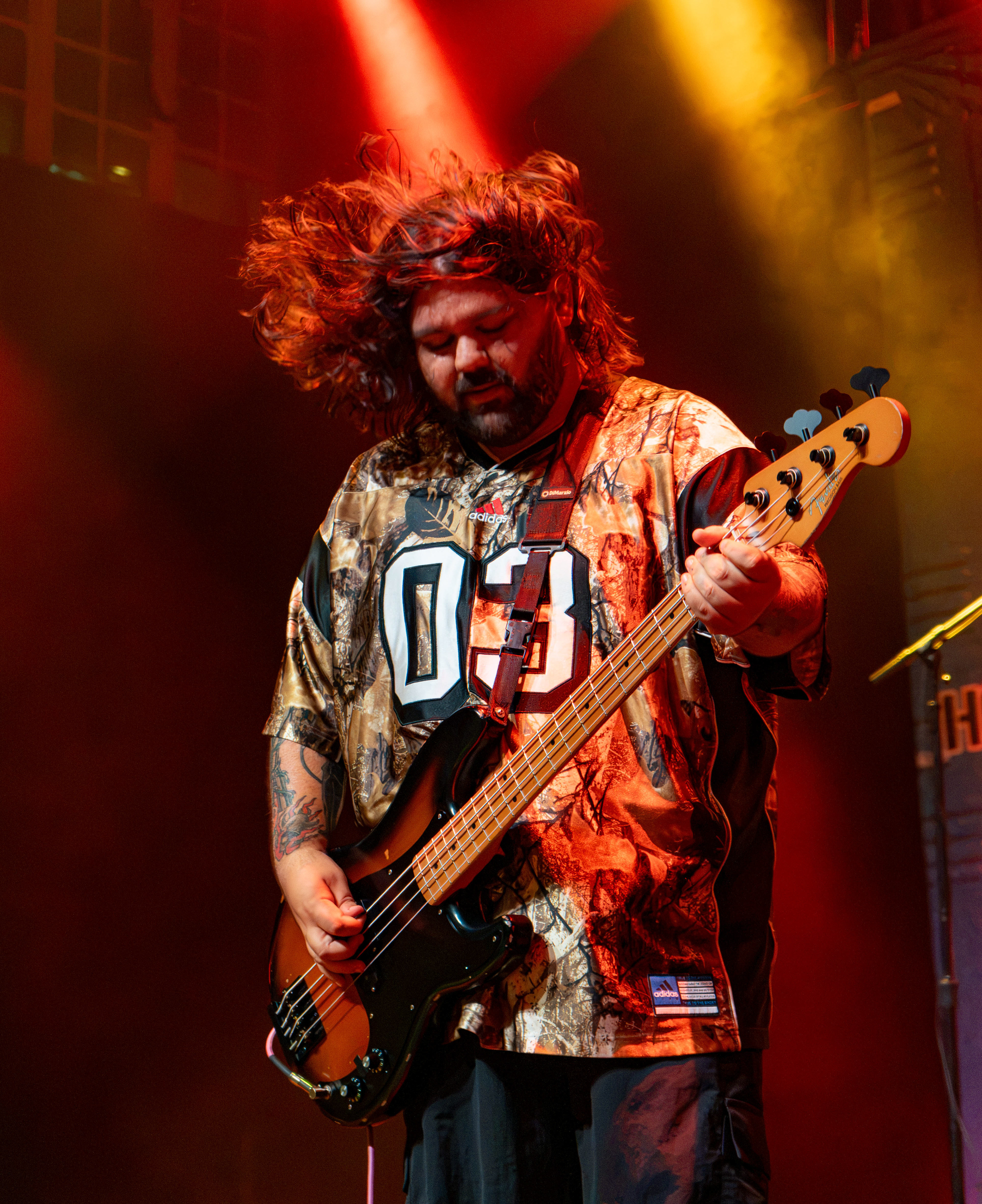
Chase Petra
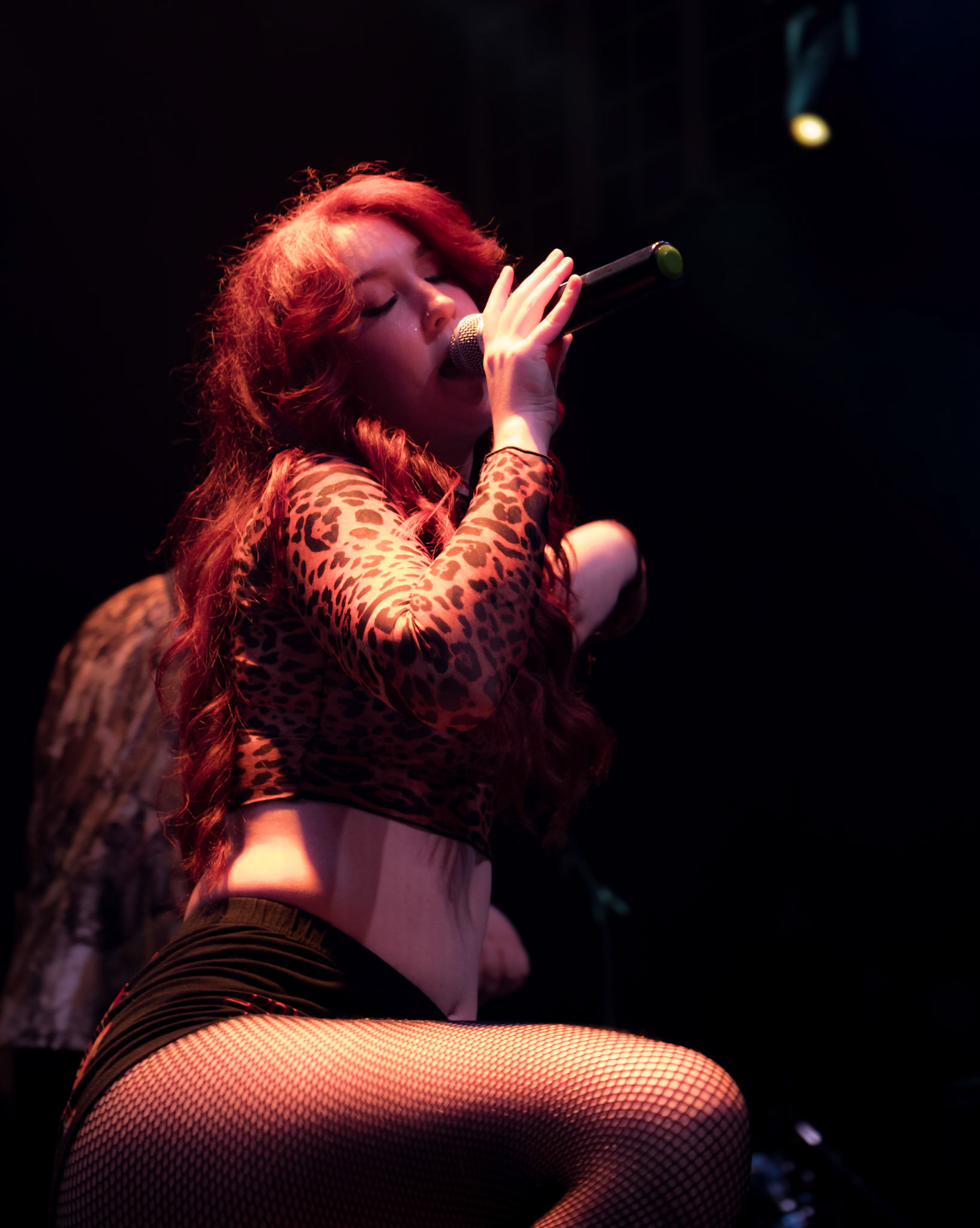
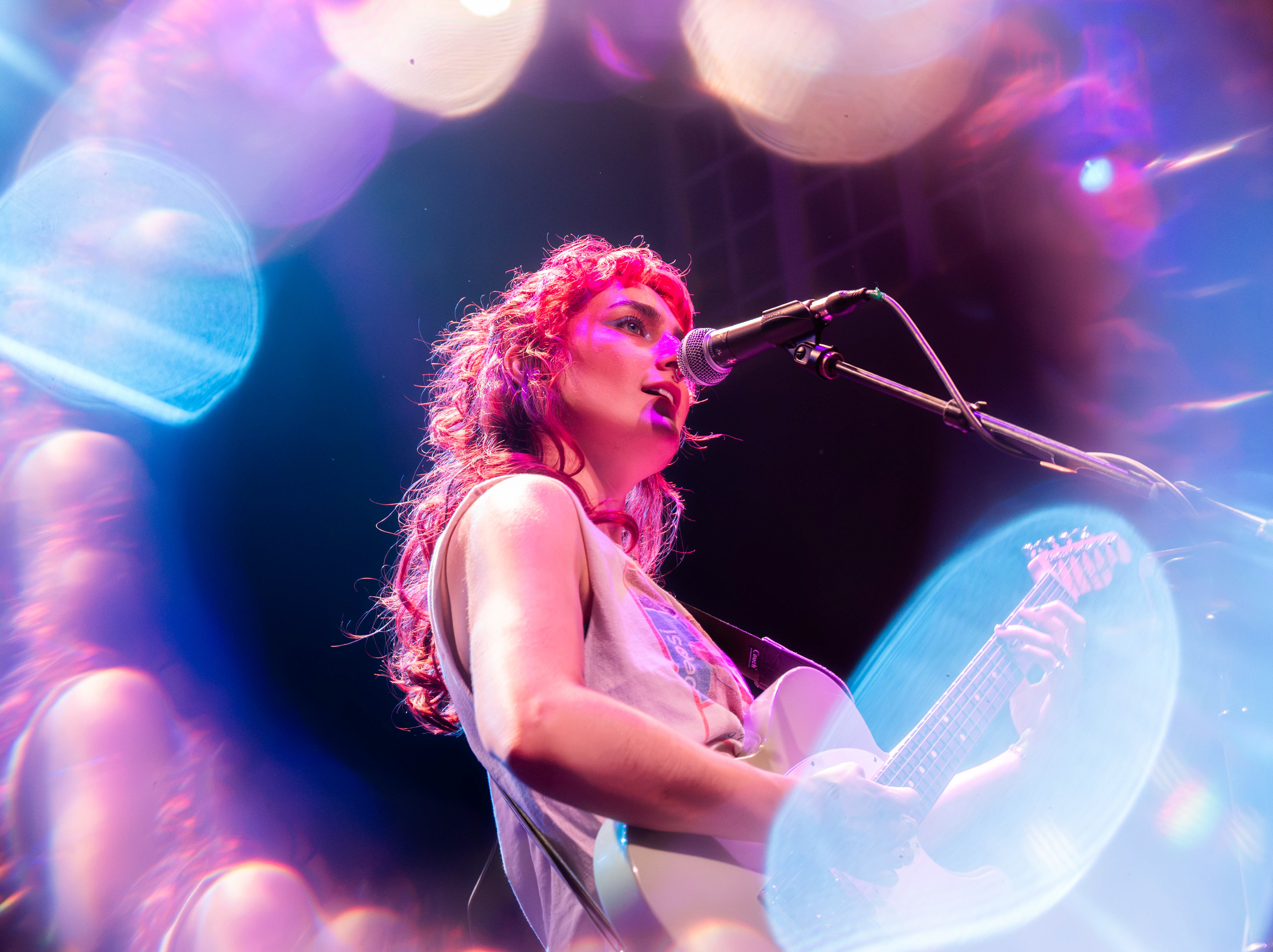
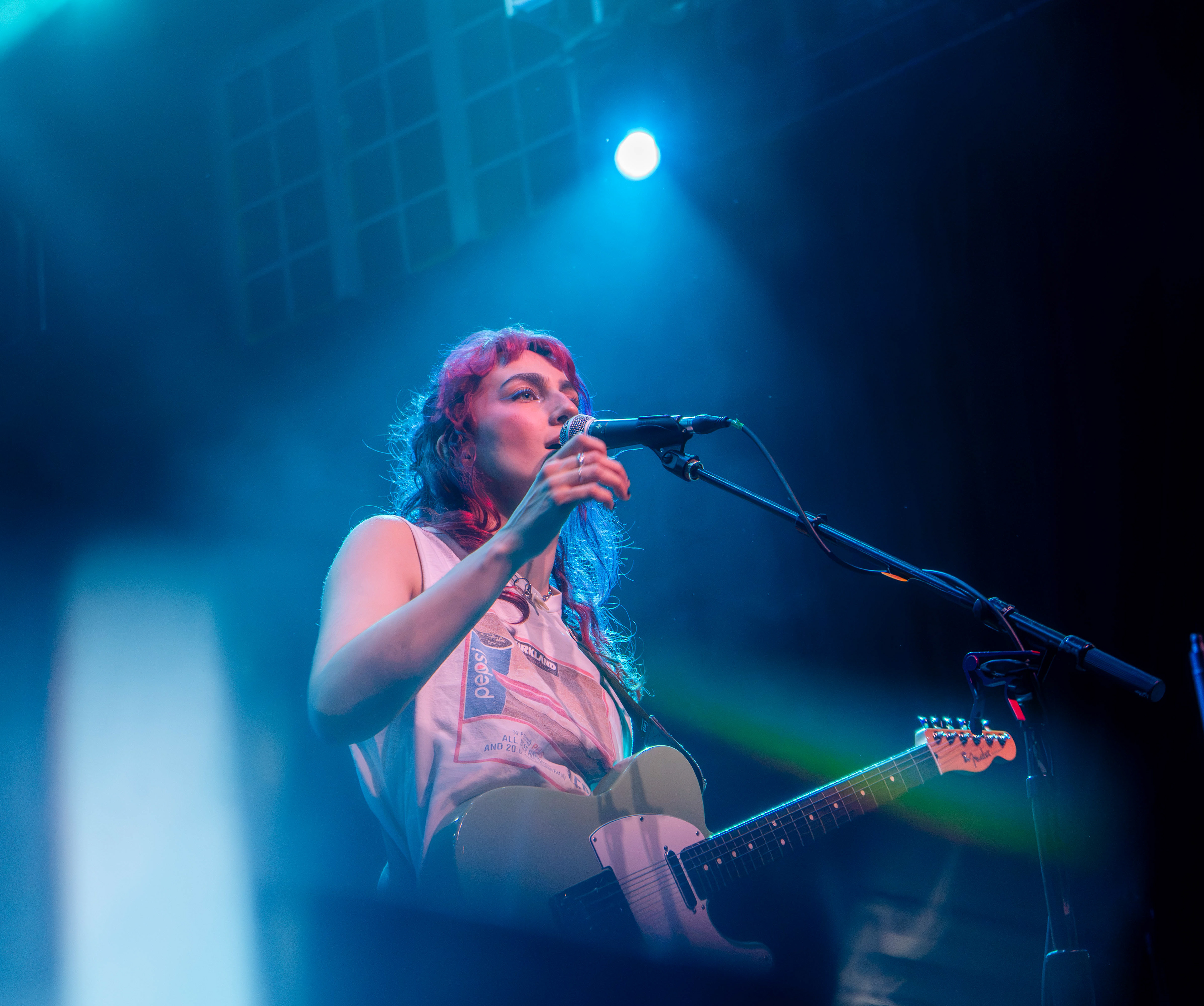
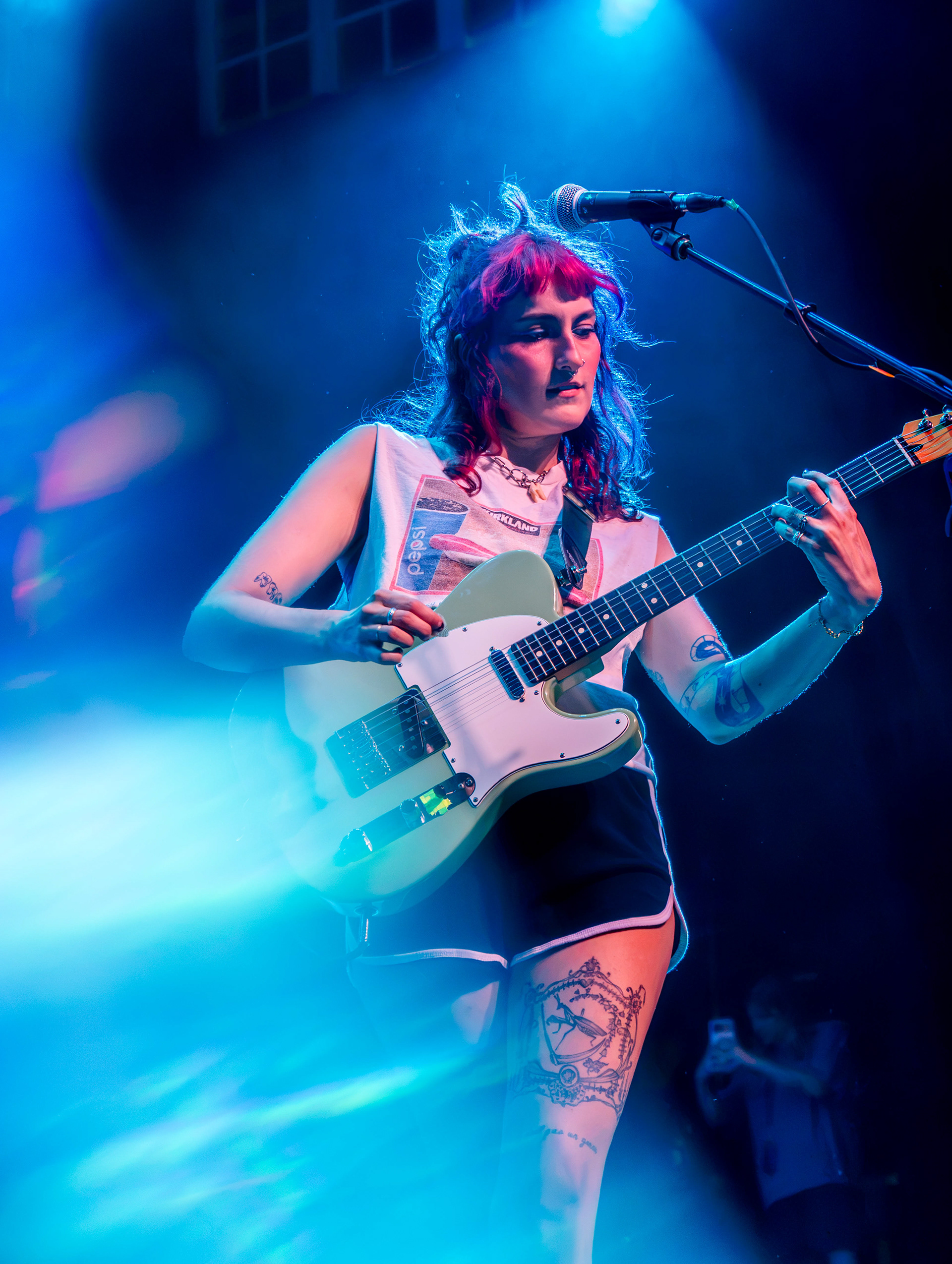
Next up was Chase Petra, bringing a slightly different pace while keeping the audience completely engaged. Tracks like “Famous,” “405,” and “Soda Pop” showed off the band’s blend of catchy melodies and heartfelt songwriting, proving that slowing things down doesn’t mean losing the crowd’s attention.
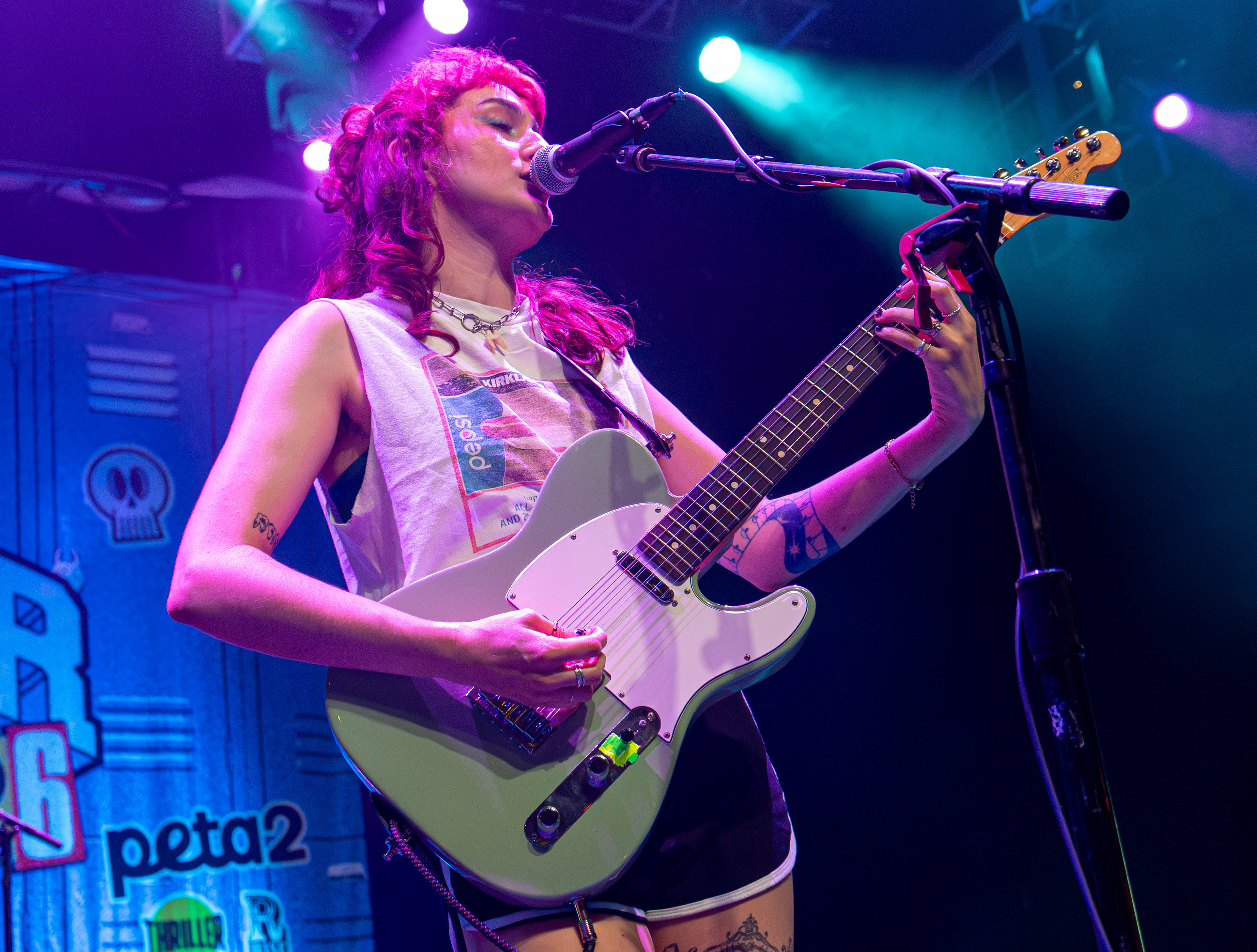
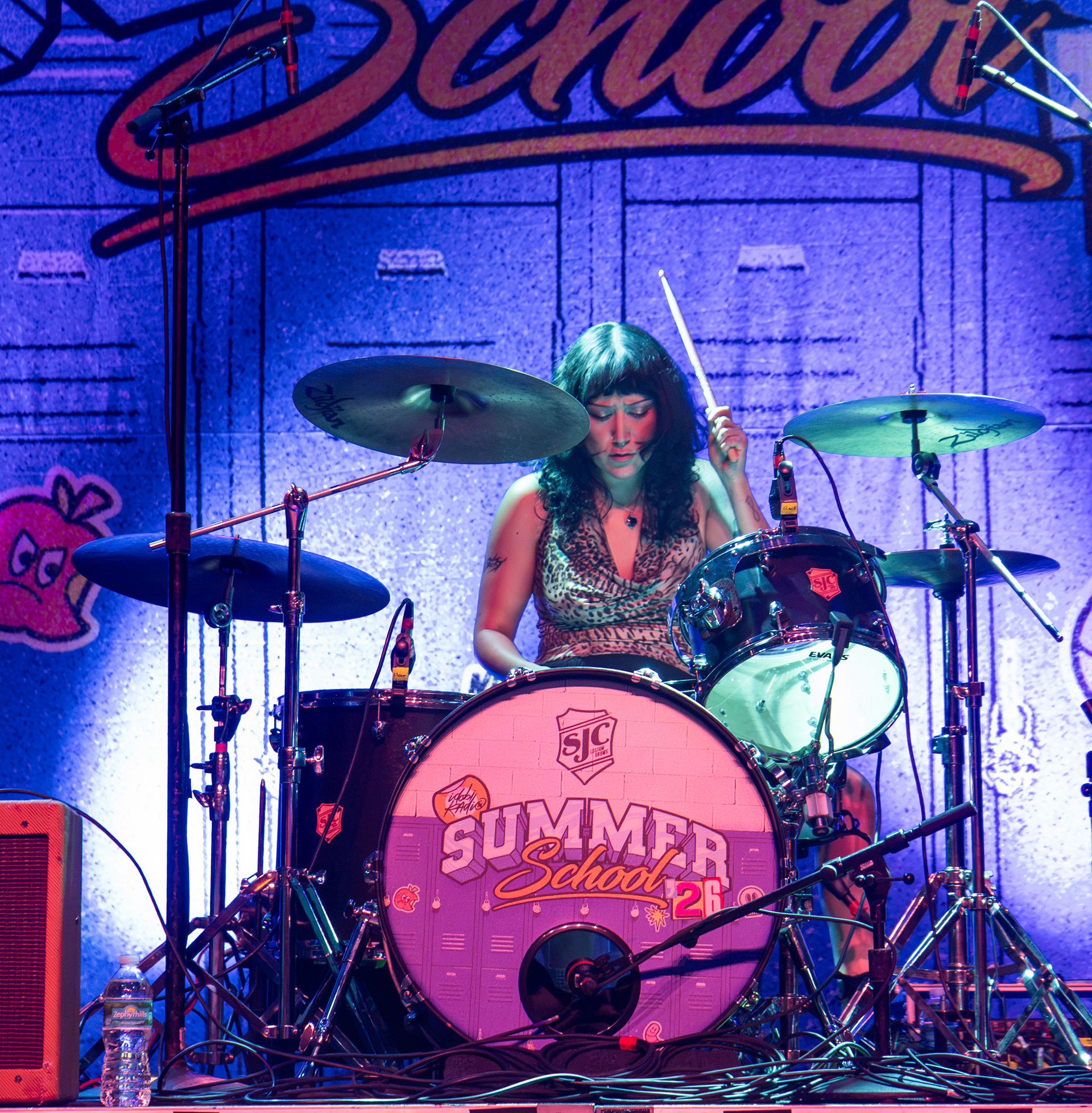
South Arcade
Halfway through the evening, South Arcade exploded onto the stage with “How to Get Away With Murder.” Their infectious stage presence and punchy sound brought another wave of excitement, keeping the momentum rolling as fans jumped and sang along.
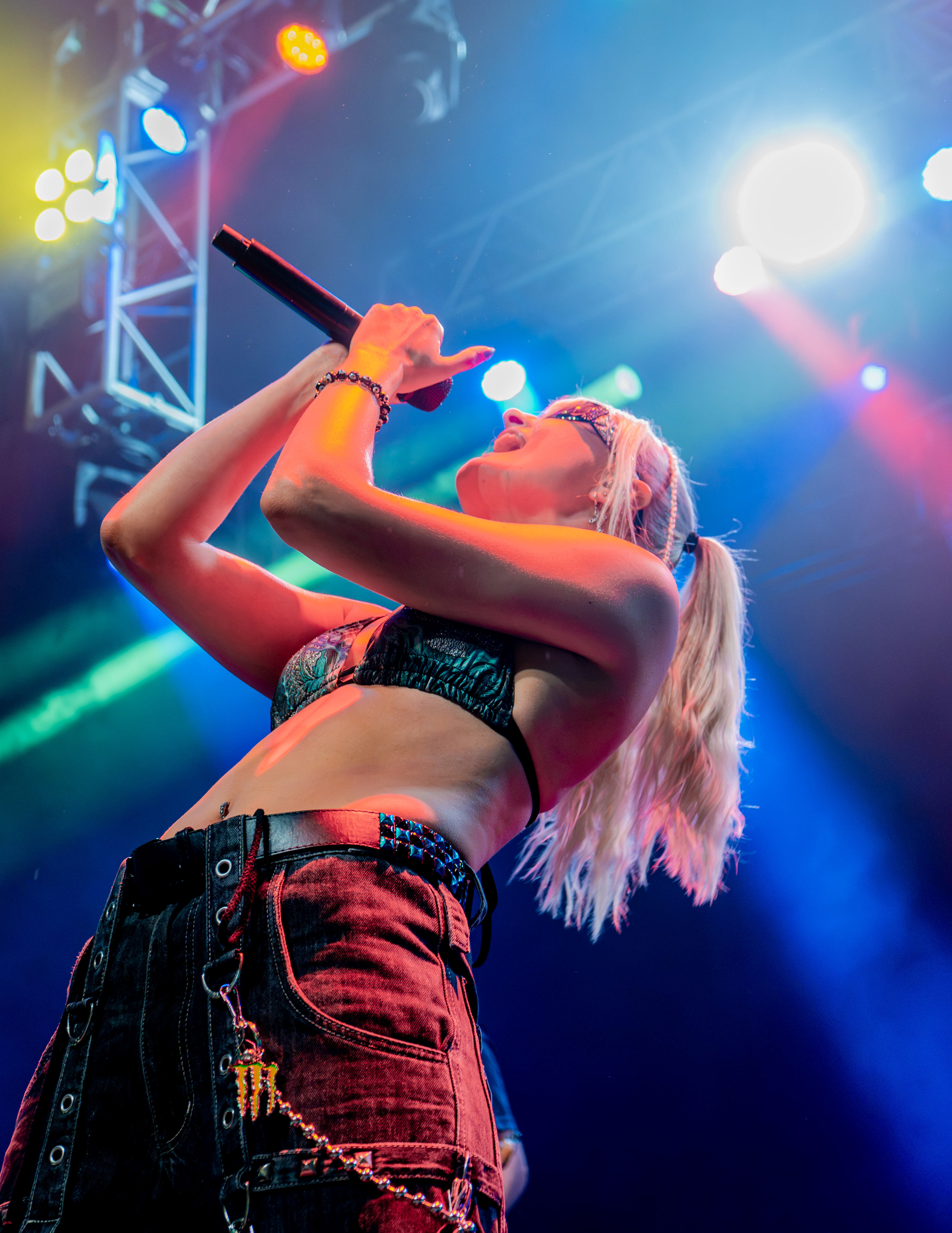
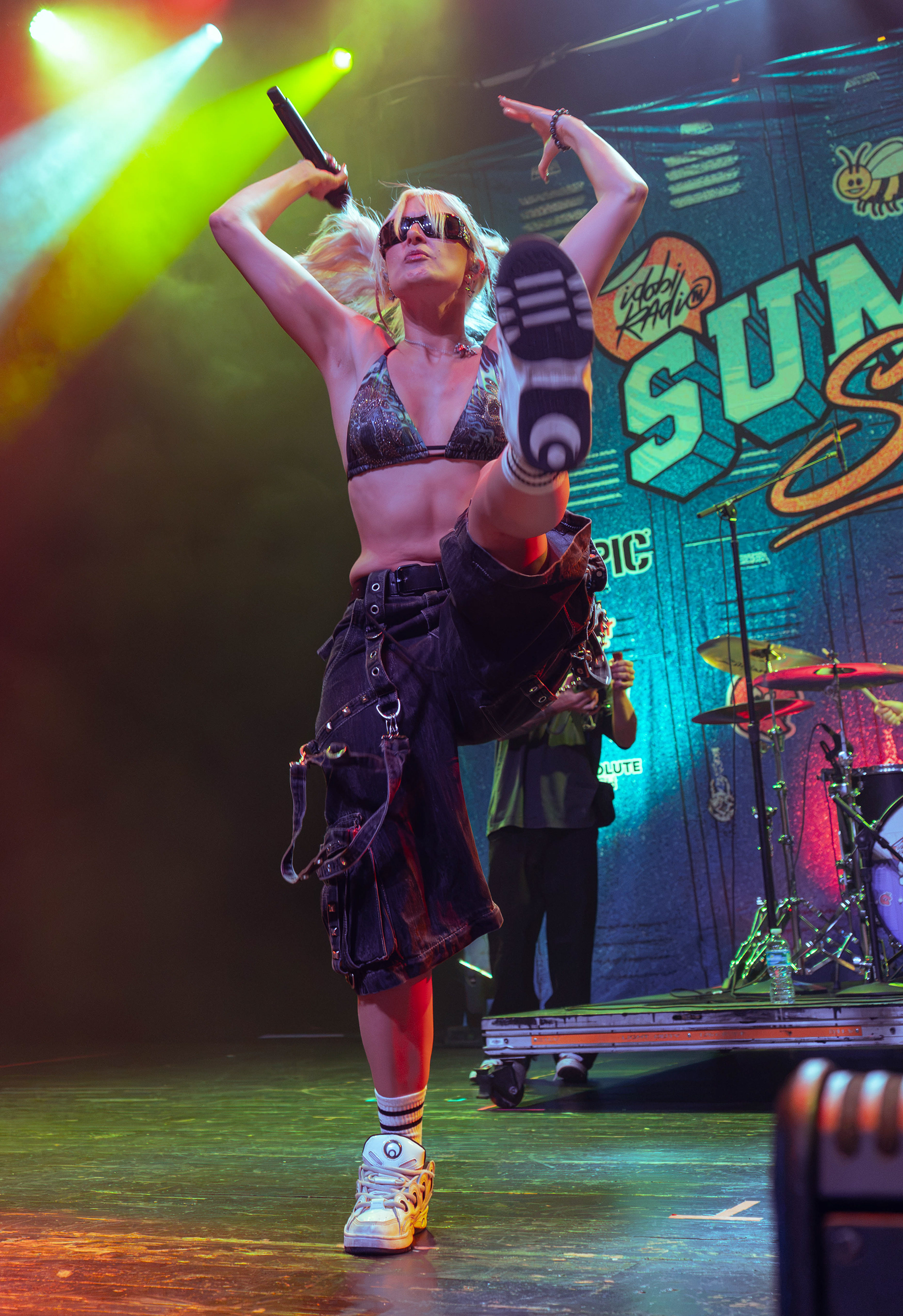
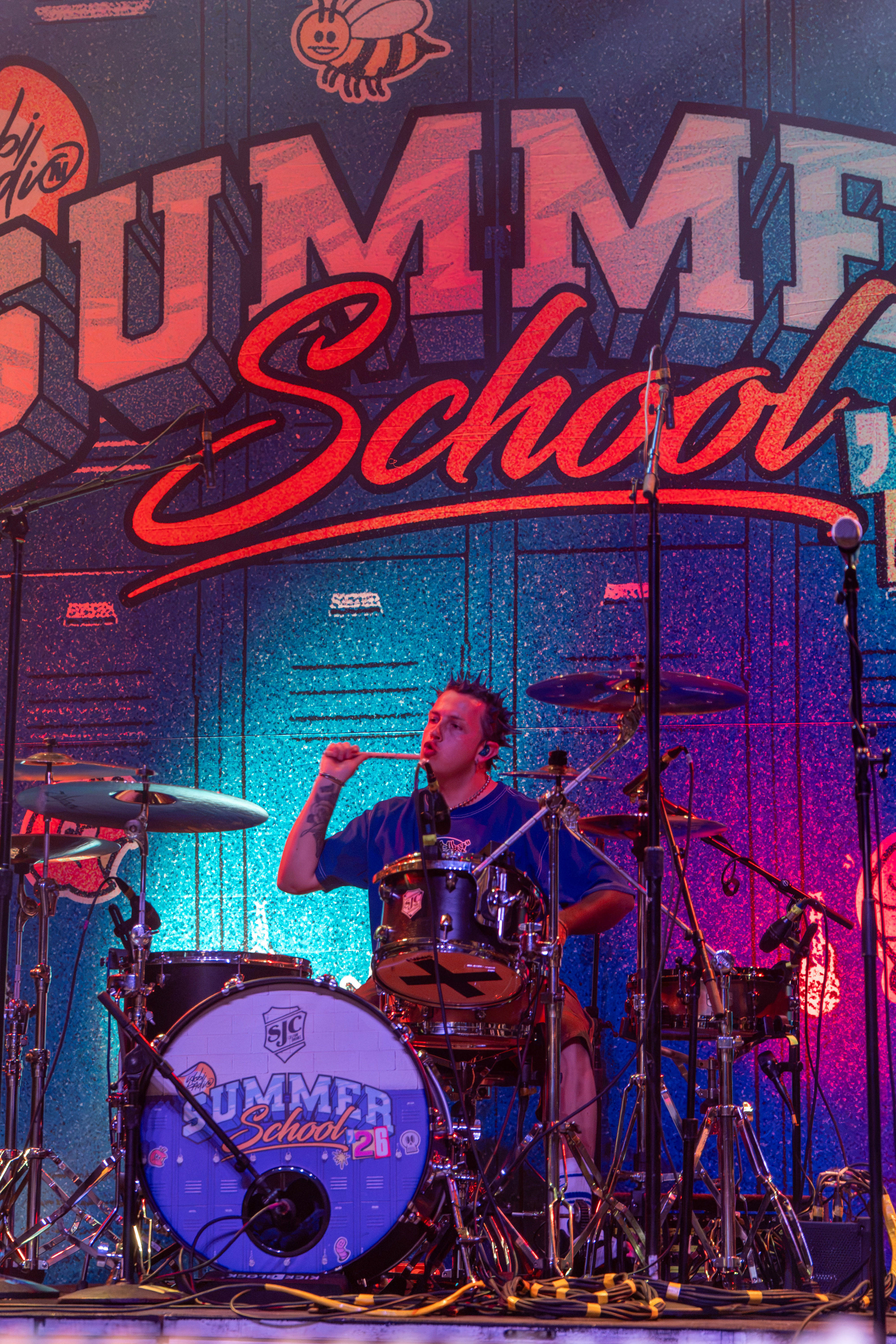
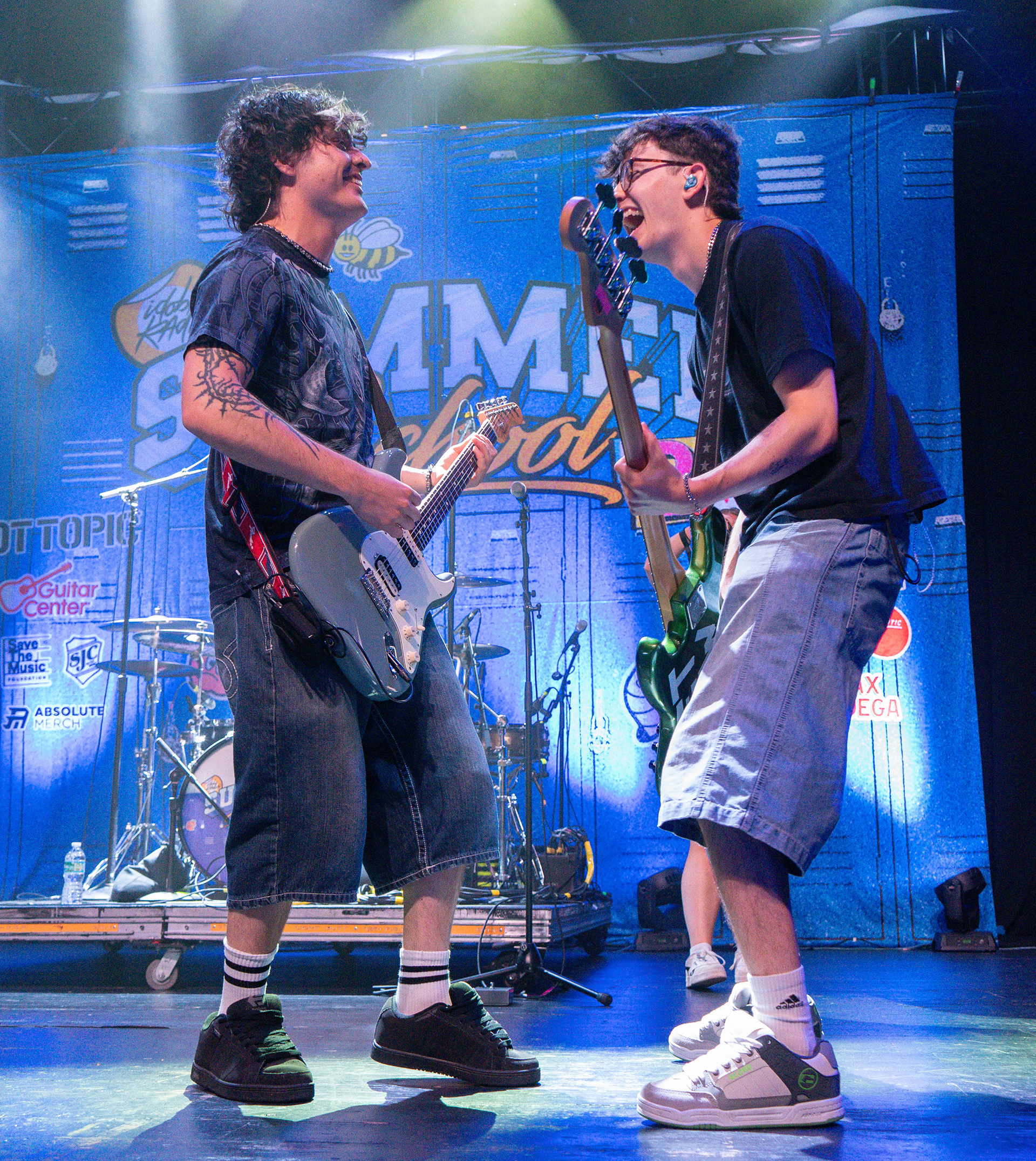
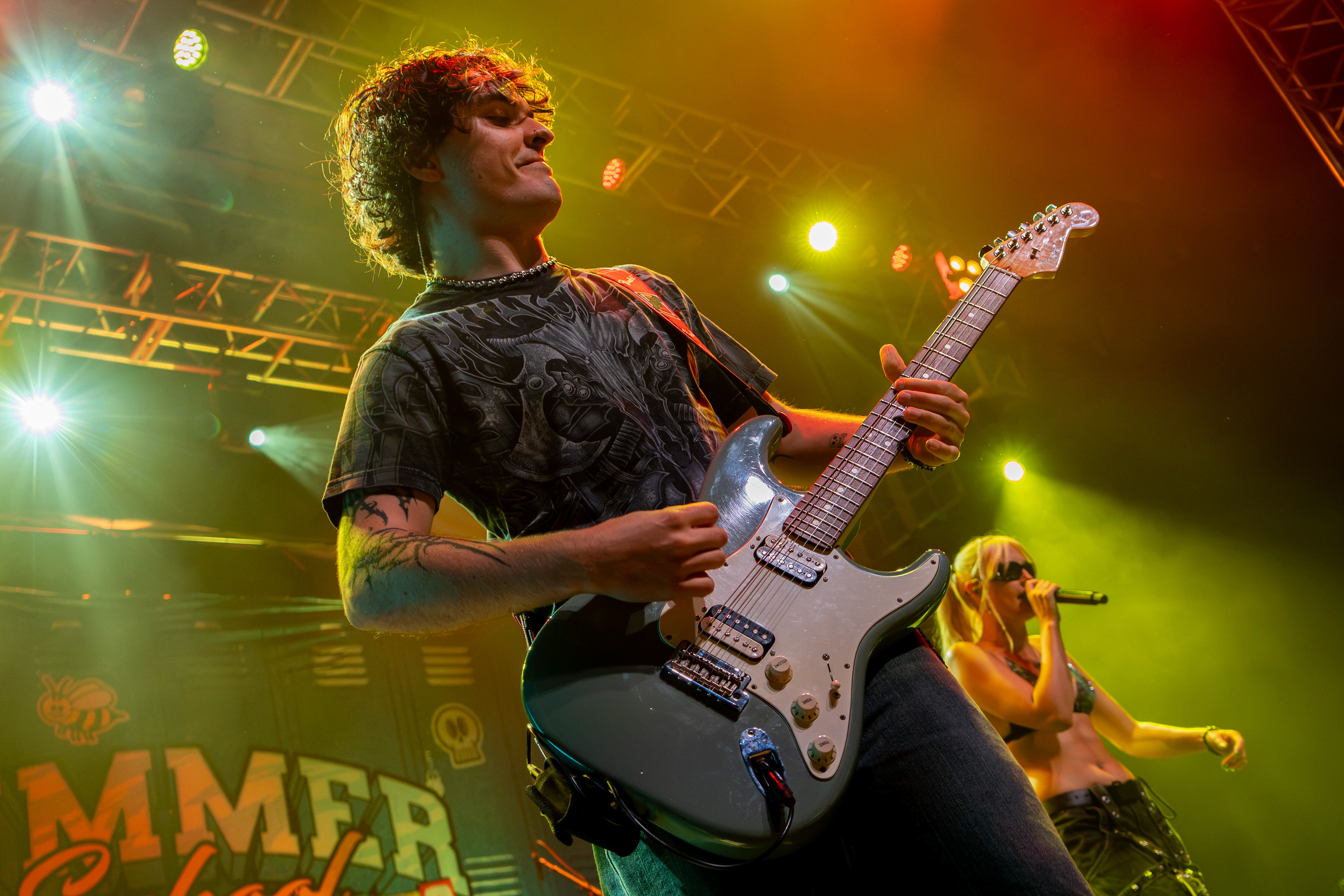
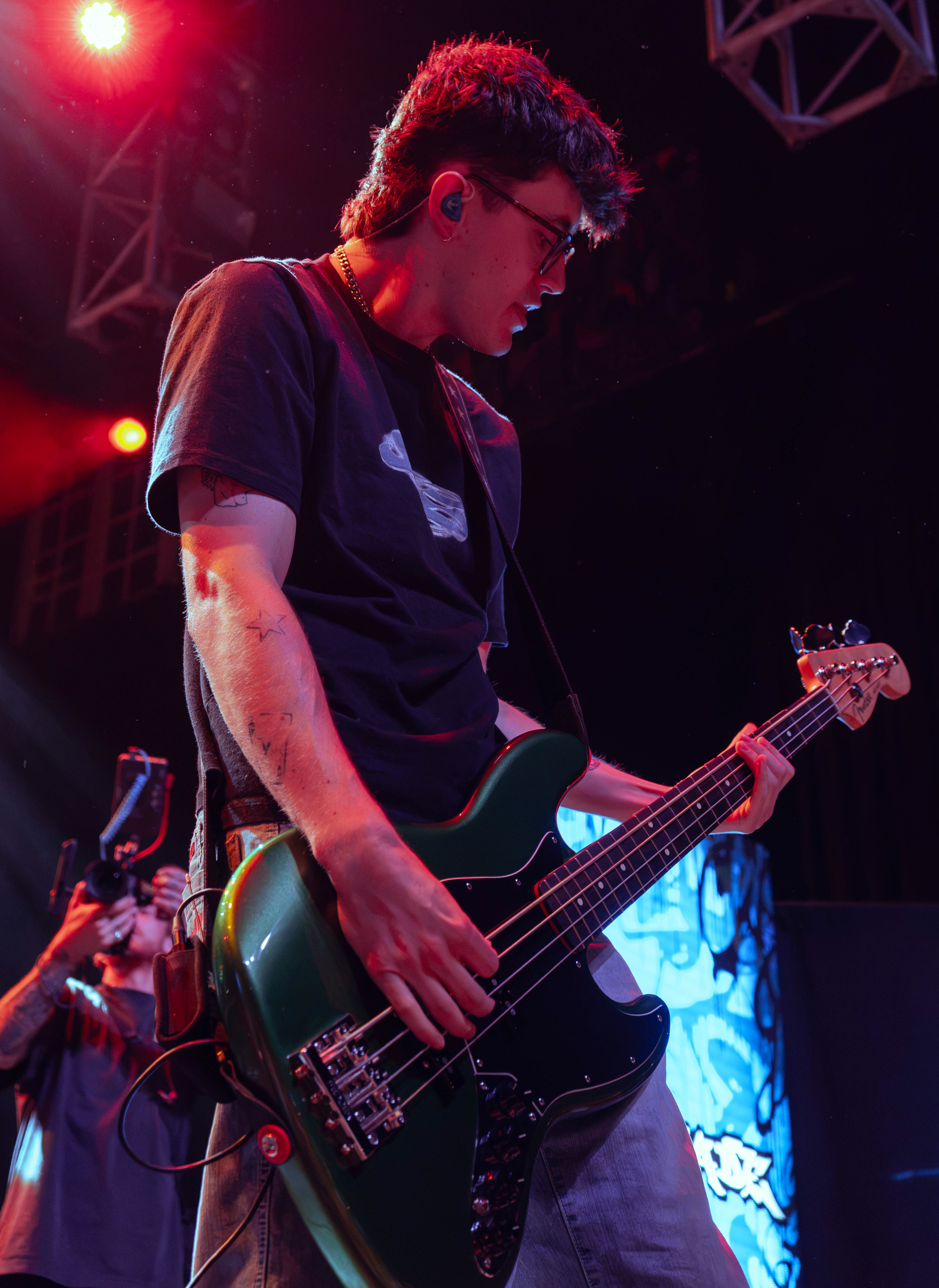
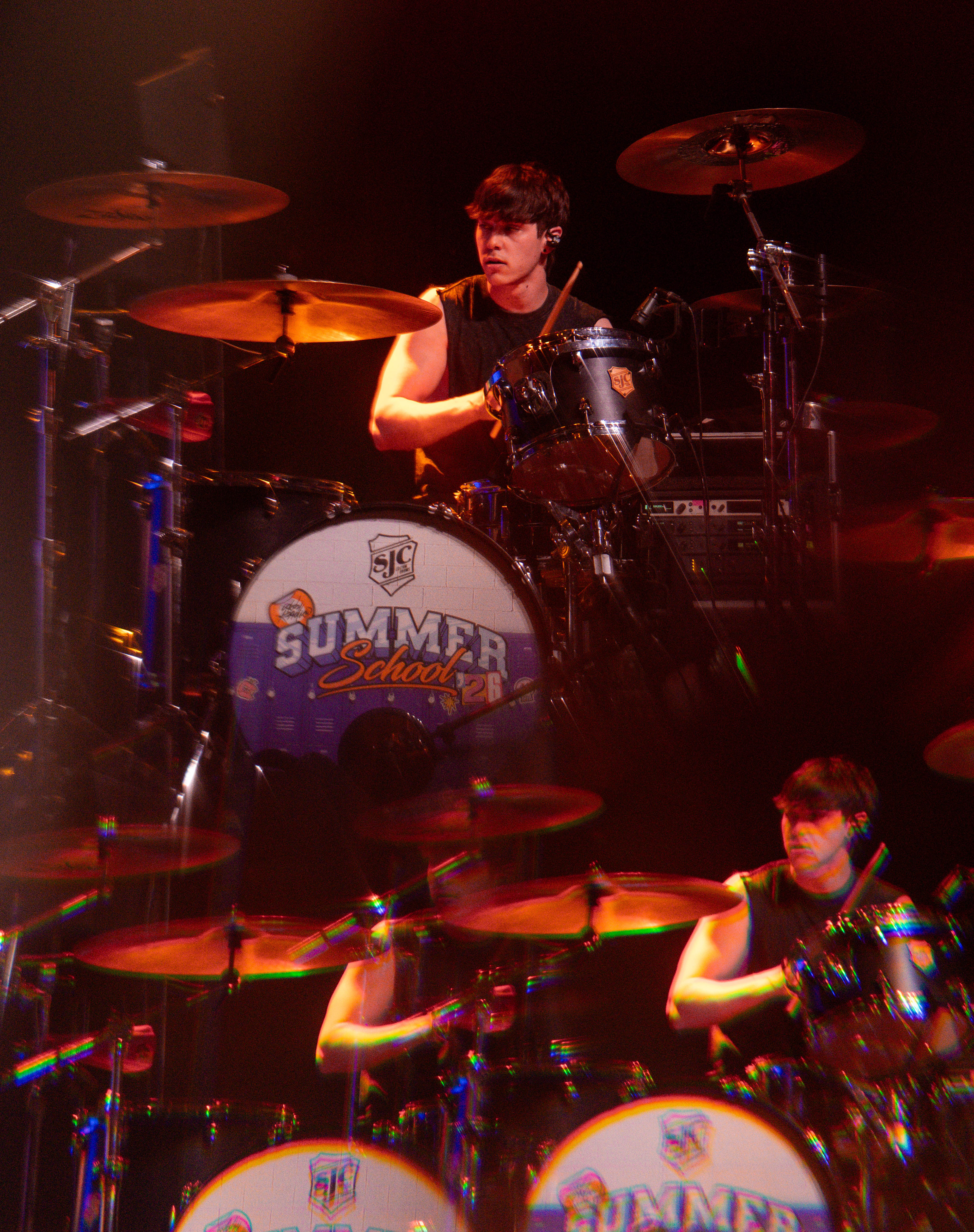
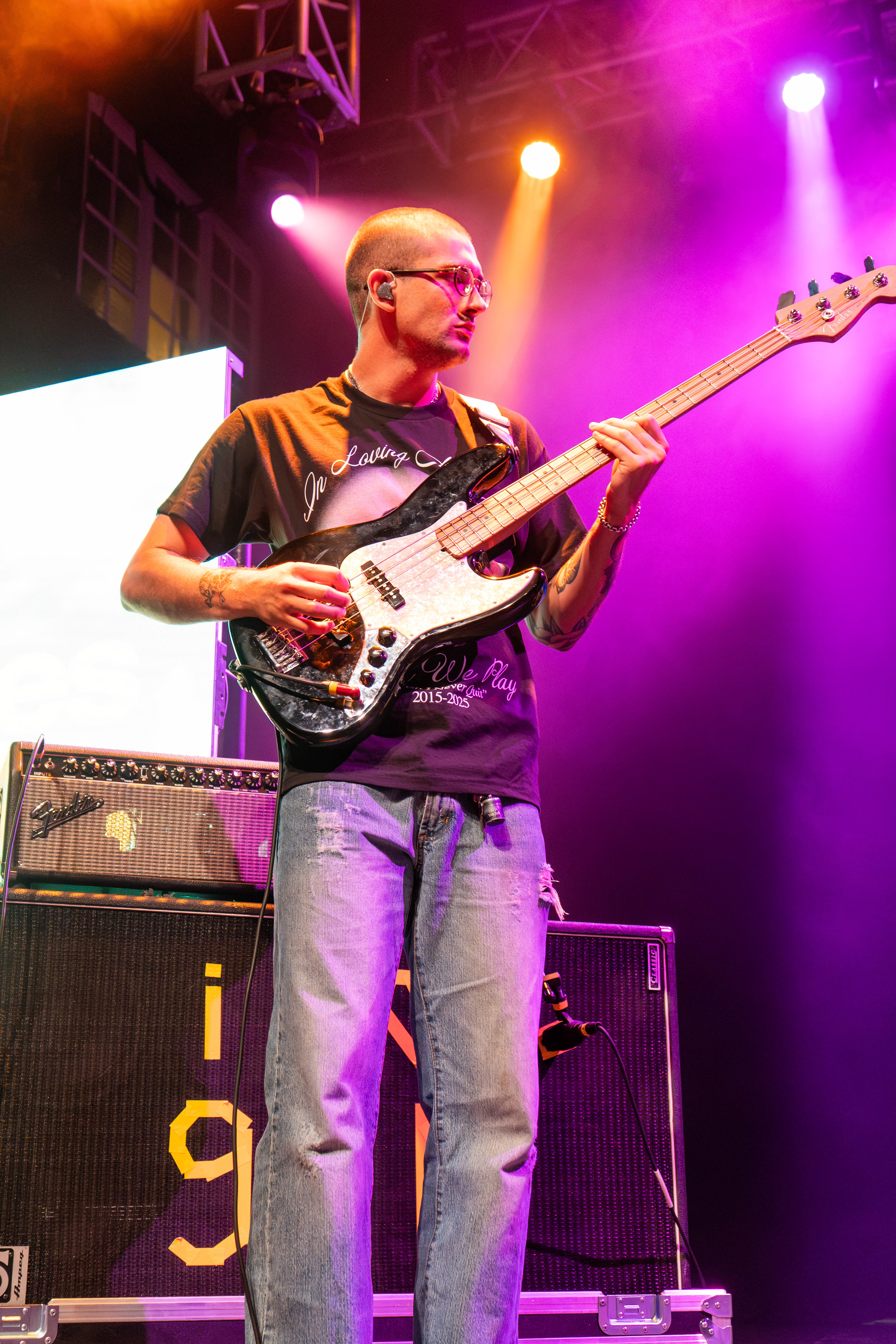
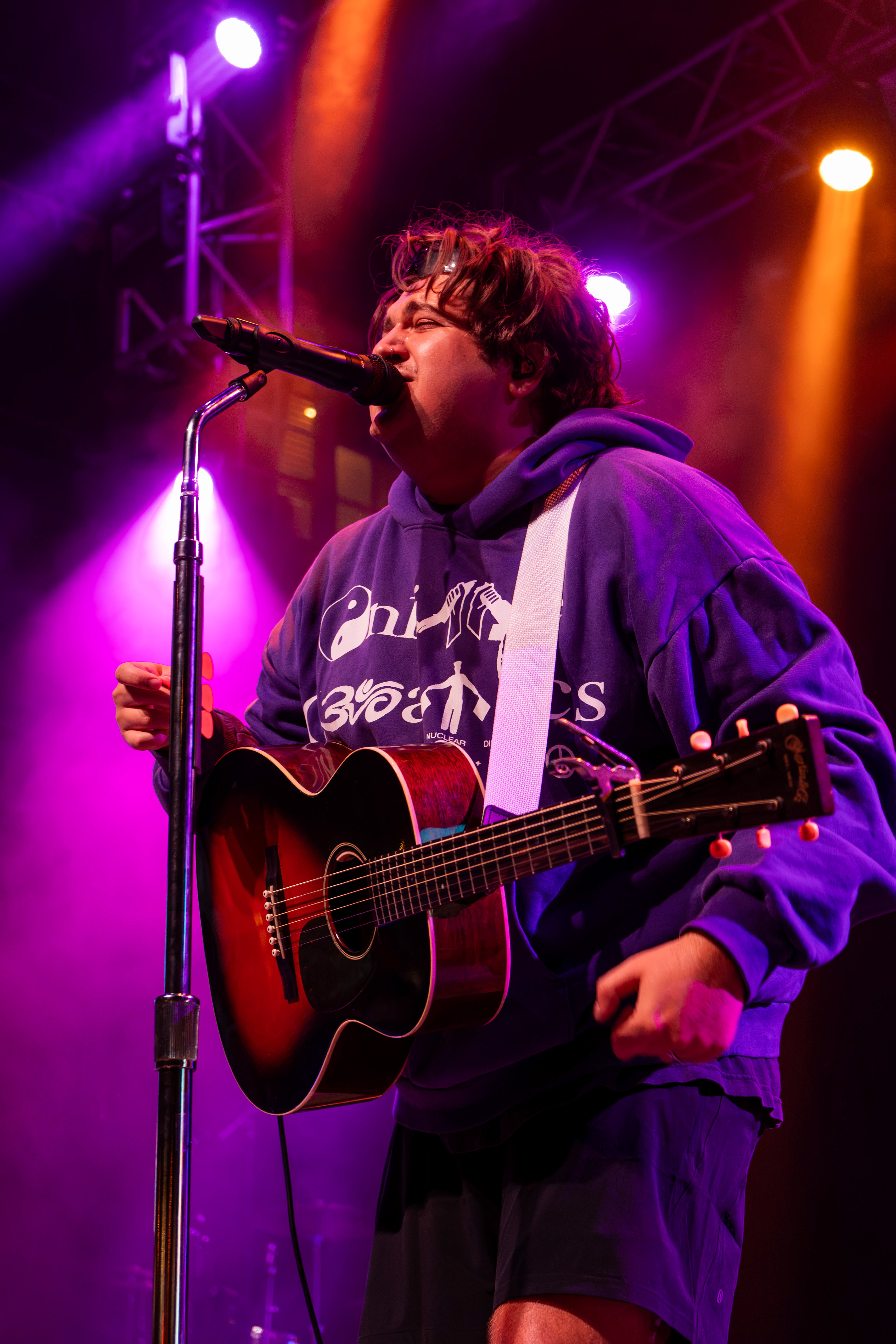
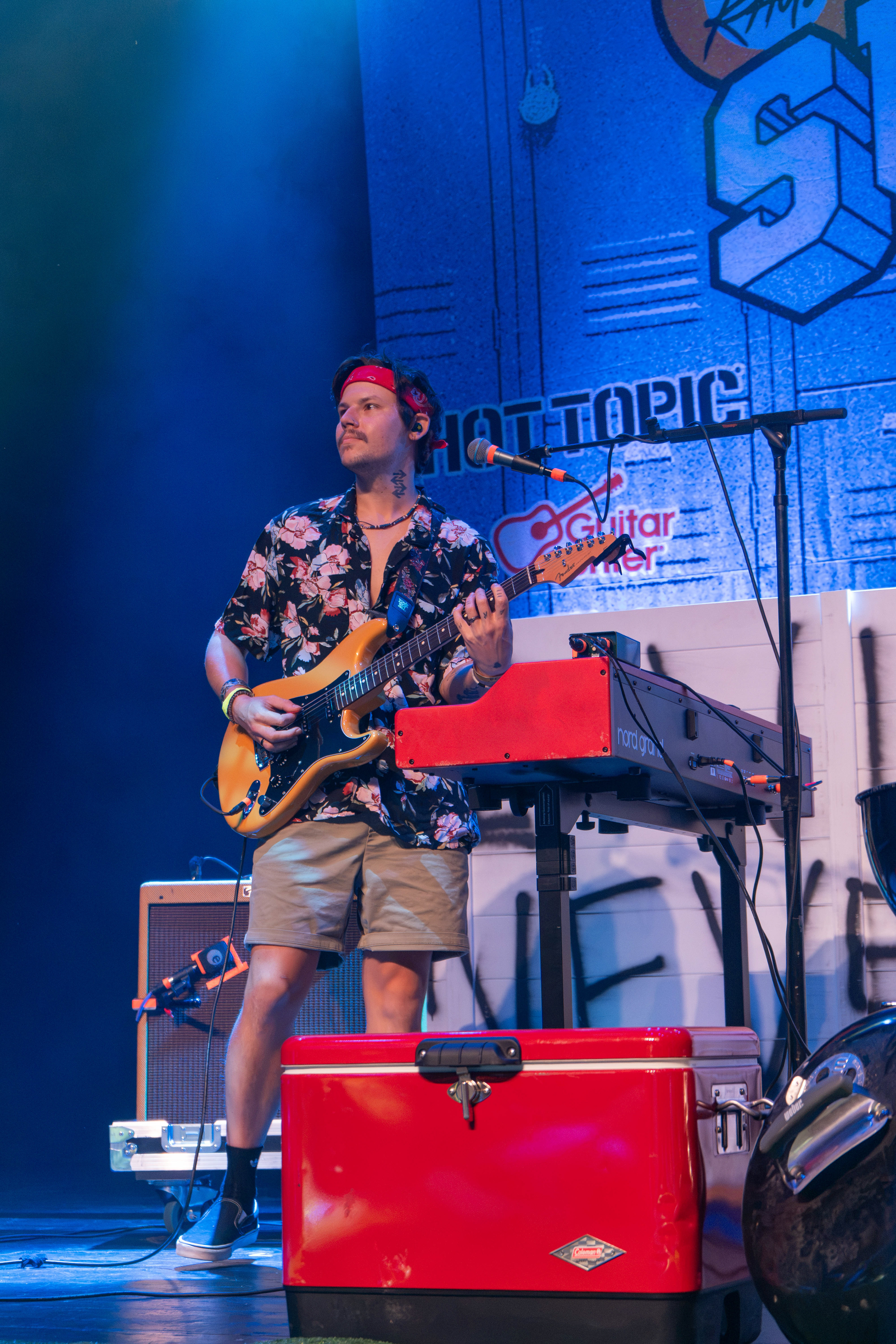
Games We Play
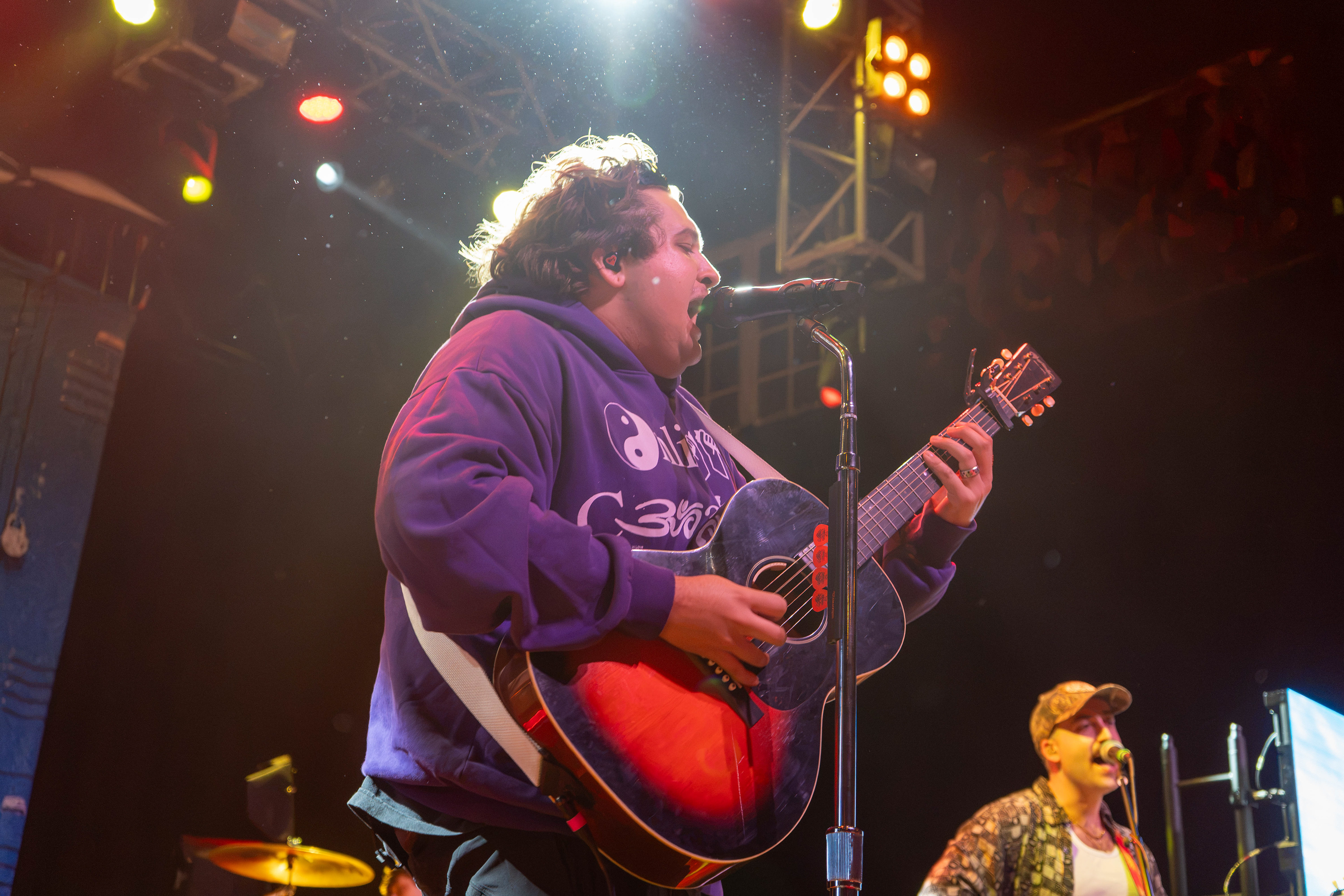
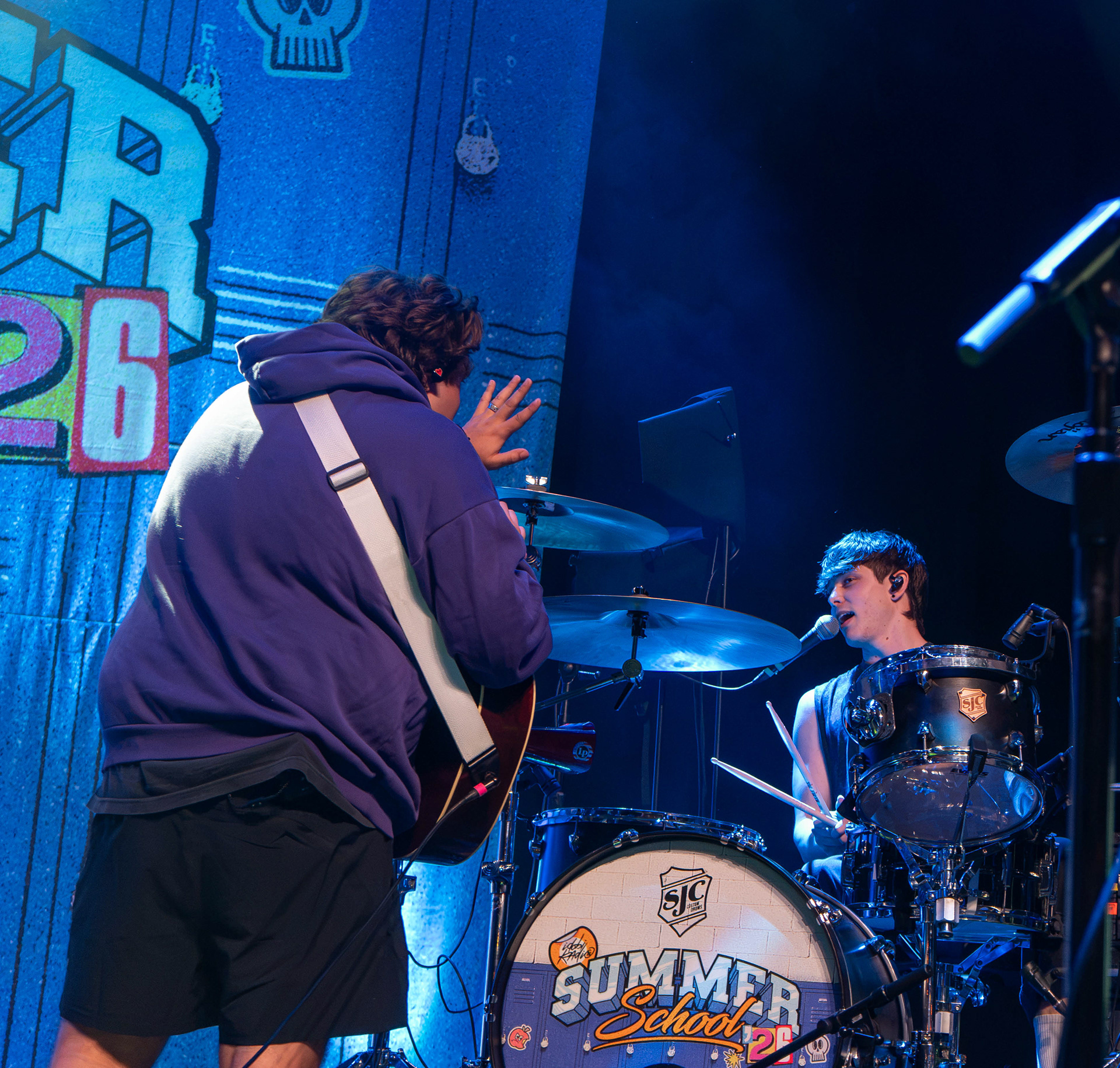
Games We Play delivered one of the night’s most entertaining sets. Between the band’s infectious energy, crowd interaction, and plenty of jokes—some admittedly bordering on classic dad jokes—they made sure everyone was smiling just as much as they were singing.
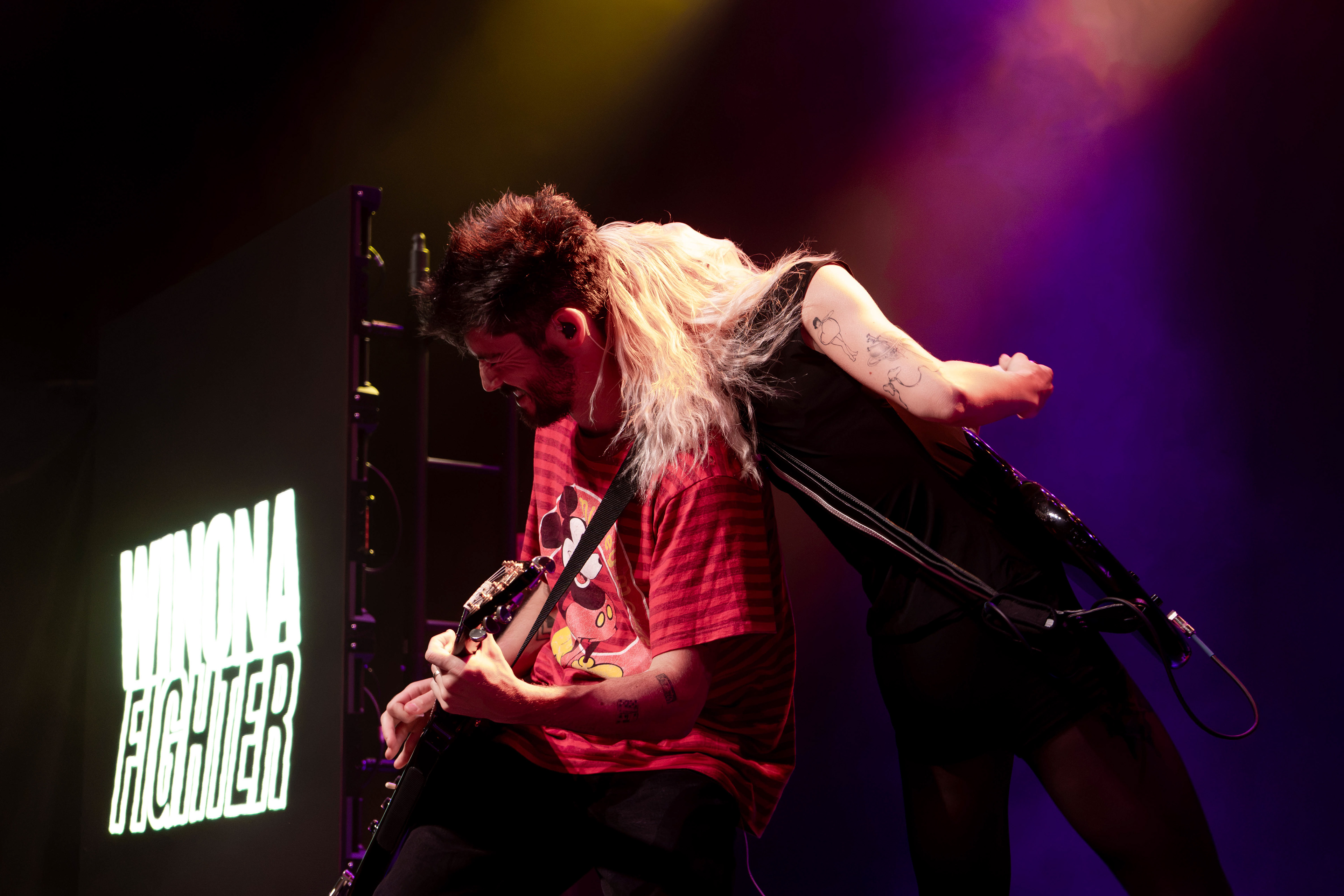
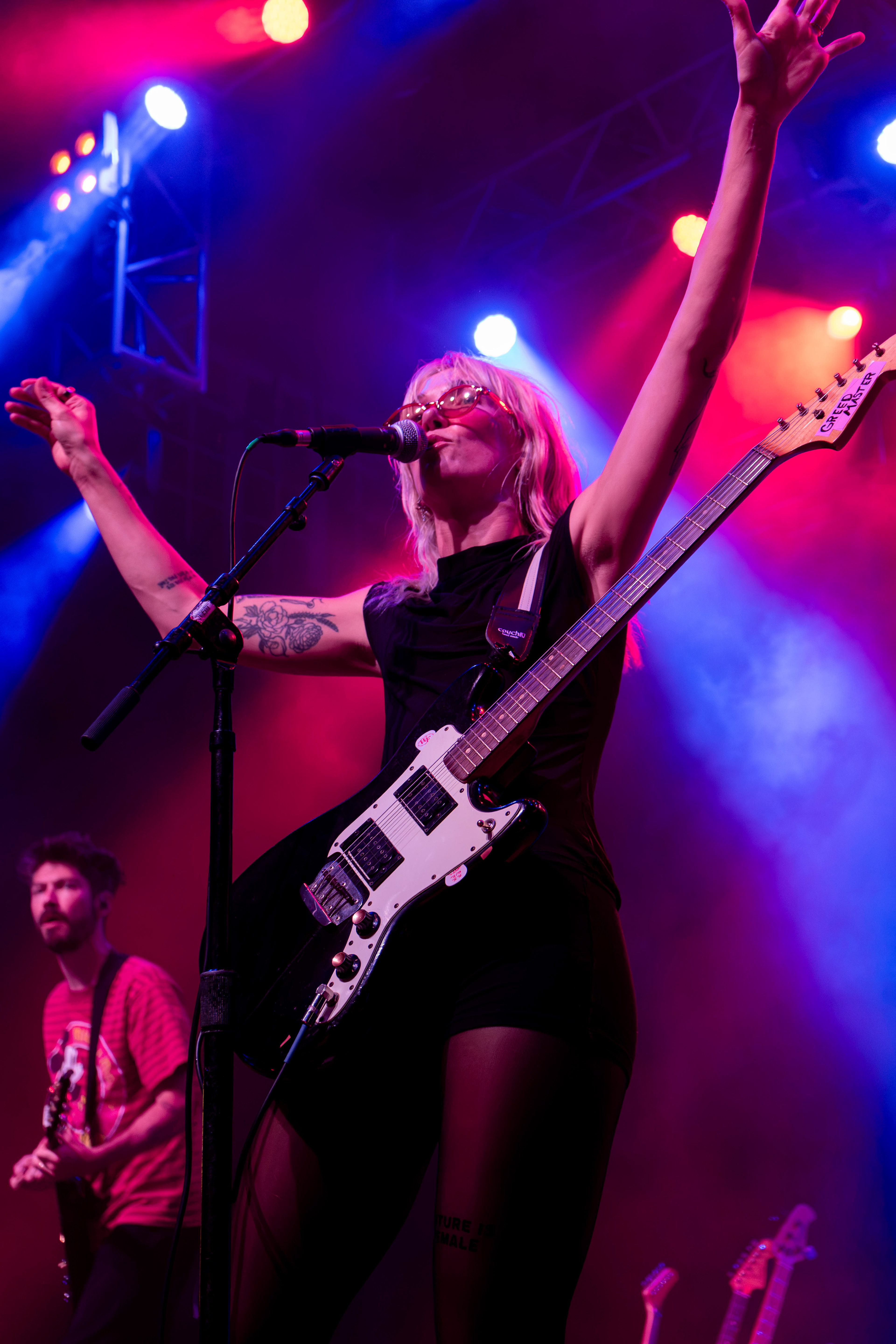
Winona Fighter
With only two bands left, Winona Fighter turned the energy up another level. Their aggressive sound and commanding stage presence had the crowd moving from the first note, making their set one of the night’s standout performances.
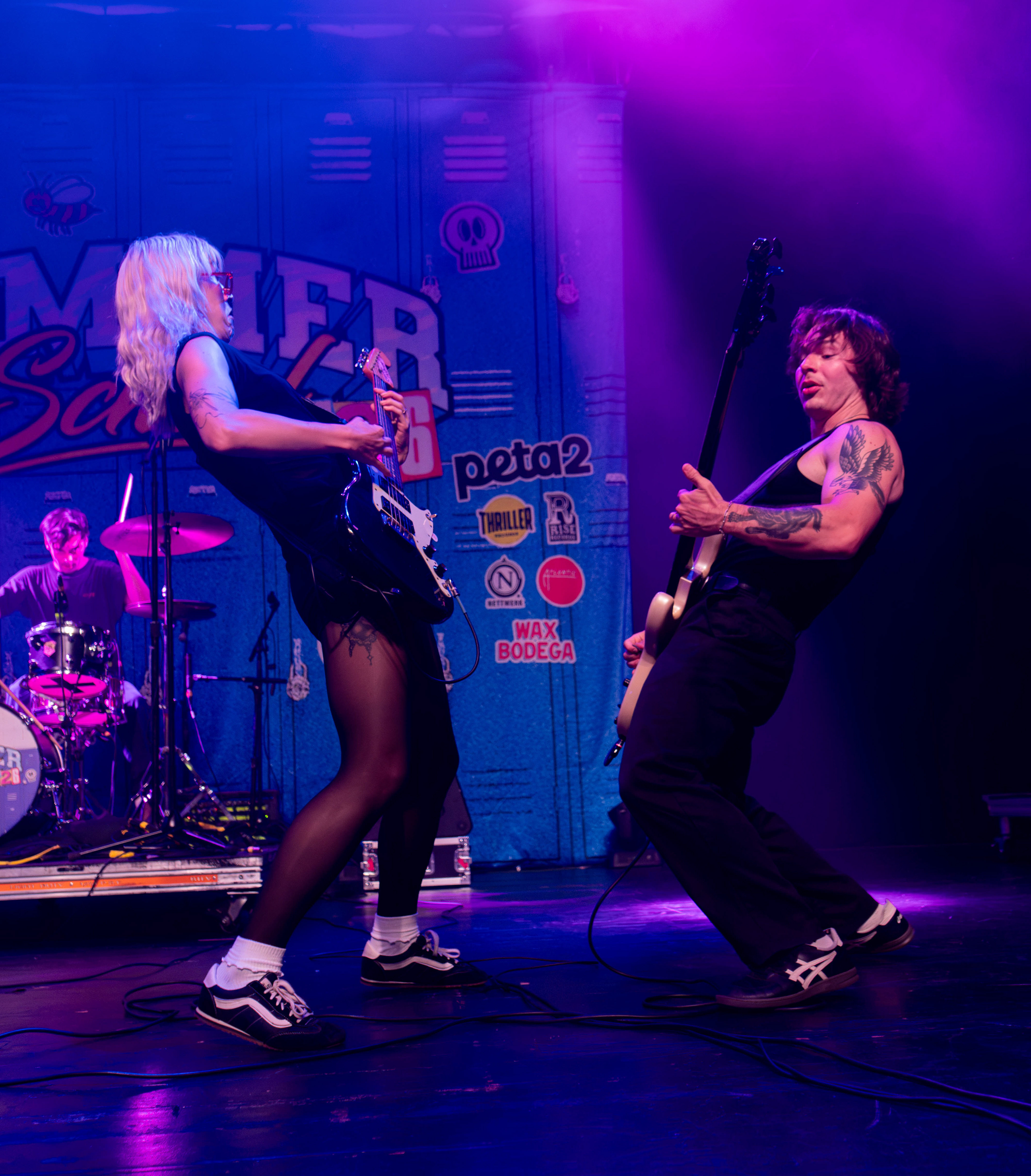
Honey Revenge
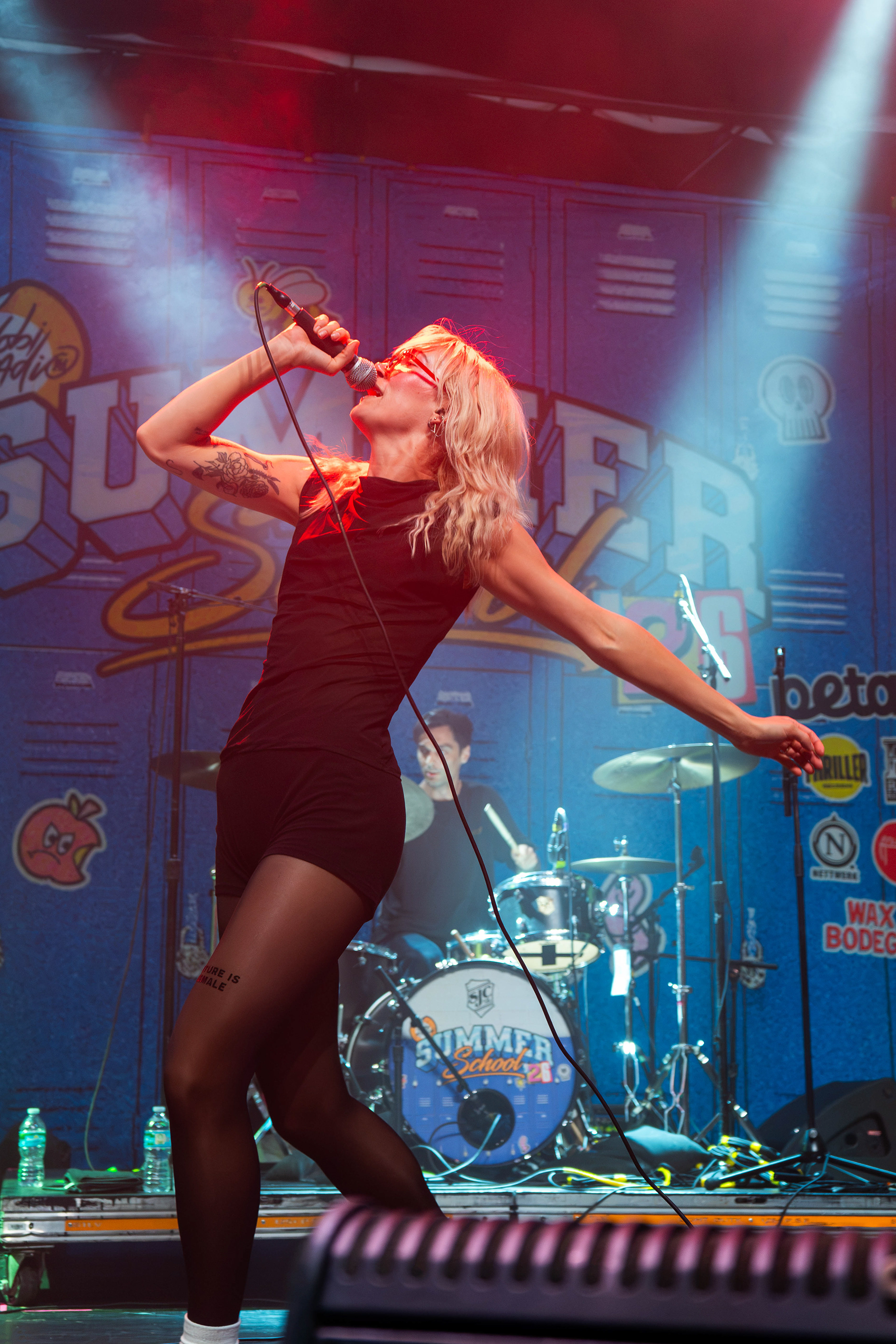
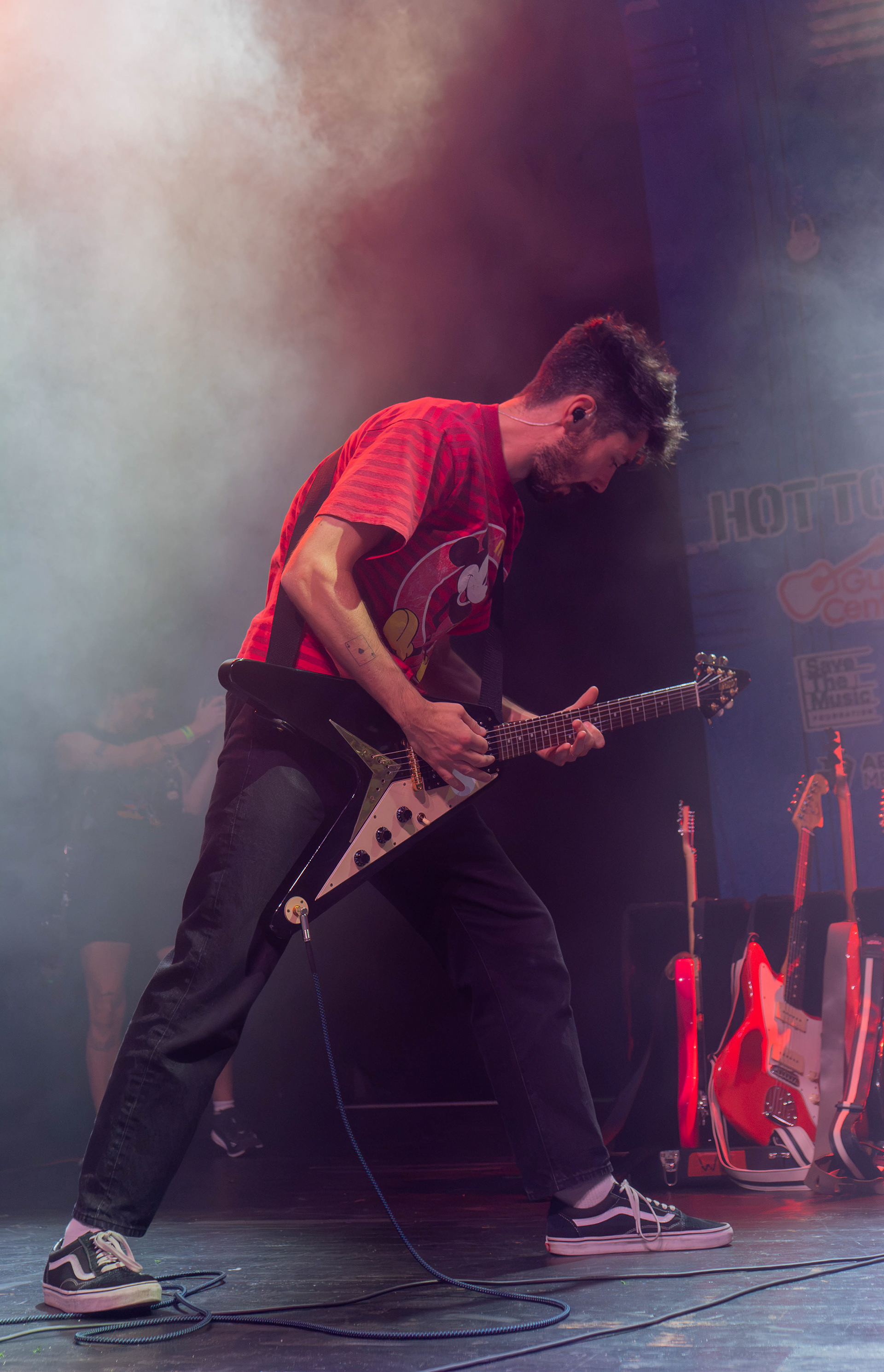
Closing out the evening was Honey Revenge, whose entrance was met with one of the loudest reactions of the night. Opening with “Run Your Mouth,” they immediately reminded everyone why they were one of the tour’s most anticipated acts. The crowd sang every word back to the stage, bringing the Summer School Tour to an unforgettable finish.
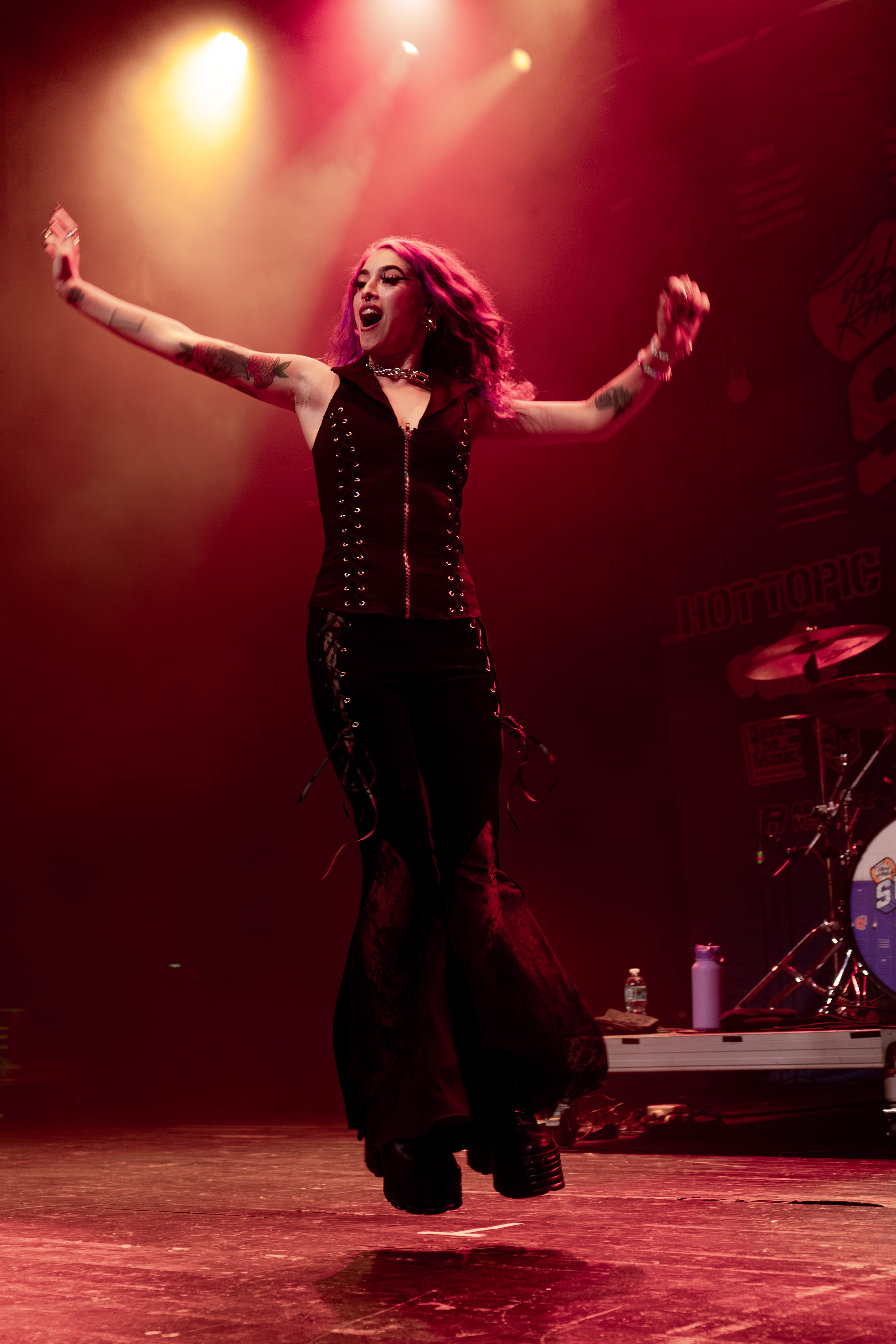
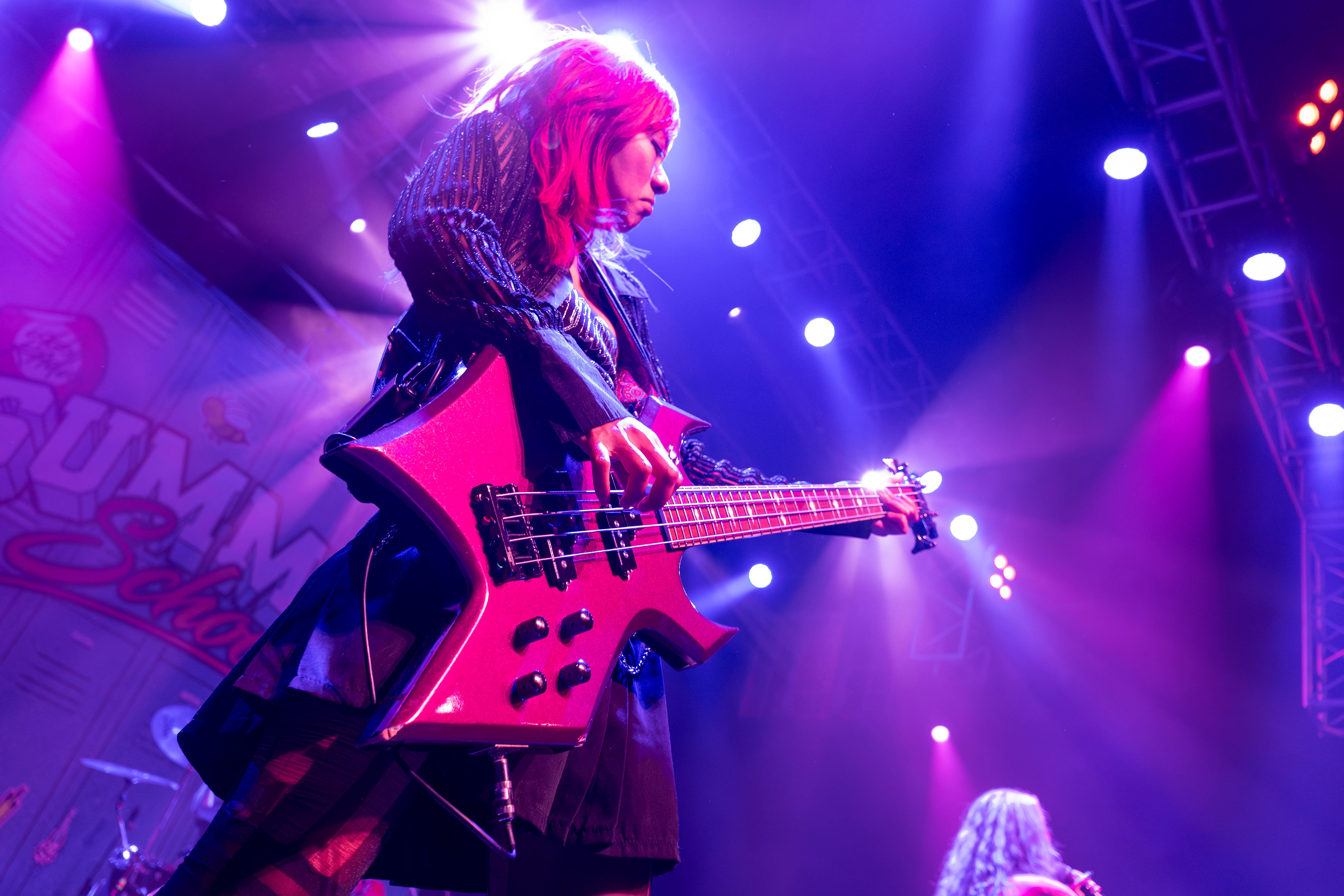
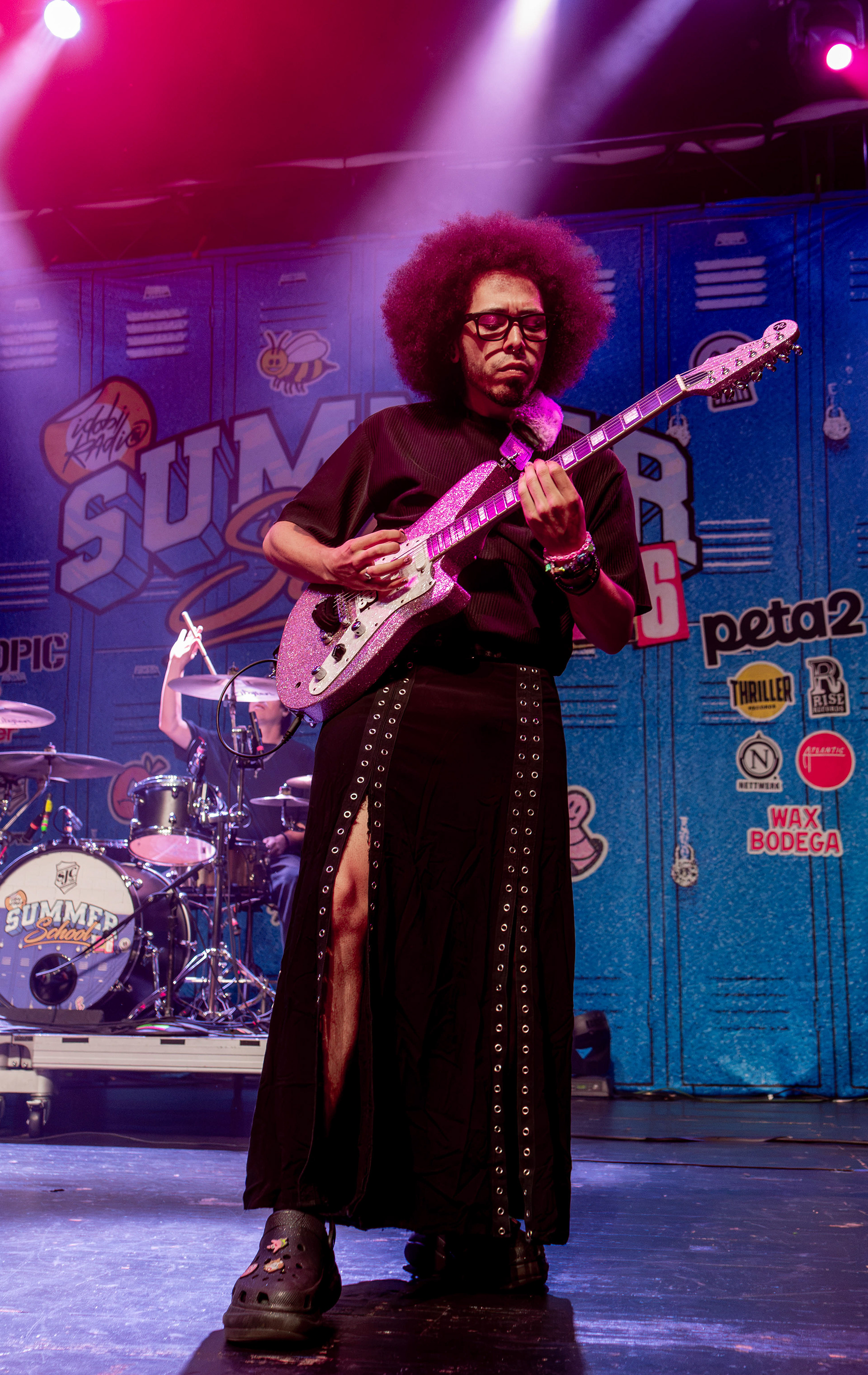
From the opening notes to the final song, the Summer School Tour wasn’t just a concert—it was a celebration of the current pop-punk scene. Every band brought something unique to the stage, creating a lineup that felt connected from beginning to end. If this tour is any indication of where the genre is headed, class is definitely in session.